Everything You Need To Know Before Buying A Tinny
Whether you're chasing bream in a tidal creek, trolling for barra on a remote river system, or teaching your kids to fish off a calm estuary, a tinny delivers go-anywhere versatility at a price point that's hard to beat. But with hundreds of models, dozens of brands, and a wide range of sizes and configurations on the market, choosing the right one takes more than a quick browse.
This guide covers everything you need to know before buying a tinny in Australia, from hull types and motor sizing to trailer requirements, registration, and what to look for in a used boat.
What Is a Tinny?
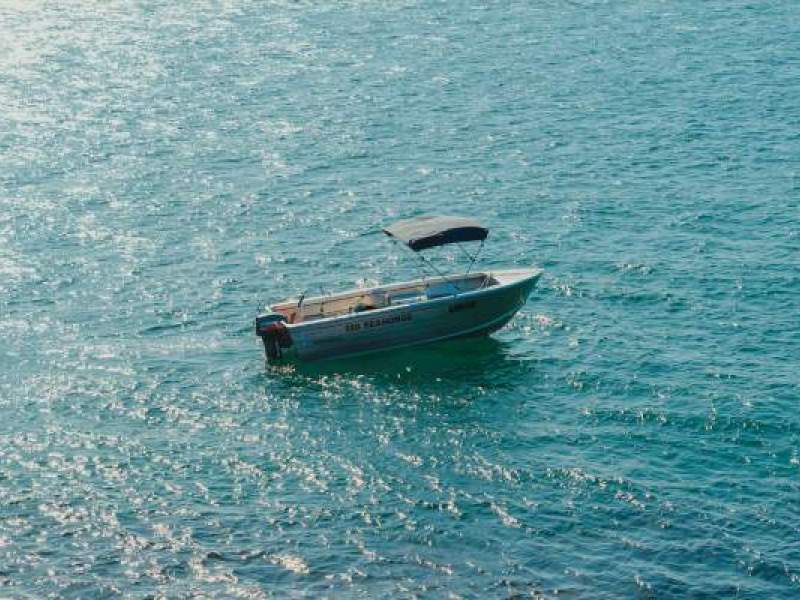
A tinny (or "tinnie") is an aluminium dinghy; a small, lightweight, flat-bottomed or shallow-V hulled boat built primarily from aluminium sheeting. The name is pure Australian slang, referring to the tin-like material of the hull. Tinnies range from tiny 8-foot (2.4m) pond boats to serious 6-metre offshore rigs capable of handling moderate sea conditions.
What makes the tinny the backbone of Australian recreational boating is a combination of rugged practicality: aluminium doesn't rust, it's cheap to repair, easy to trailer, simple to maintain, and performs exceptionally well in the shallow, snaggy rivers and estuaries where so much Australian fishing takes place.
Types of Tinny Hulls
Not all tinnies are built the same. Hull shape determines how your boat handles in different water conditions, so it's worth understanding the main types before you buy.
Flat-bottom tinnies are the most affordable and most stable at rest. They are ideal for calm lakes, farm dams, and slow-moving rivers. They're easy to get on and off a trailer and excellent for fishing in shallow water, but they can be uncomfortable in chop and tend to slap and bang when pushed at speed across open water.
Shallow-V tinnies are the most popular all-rounder. The mild V-shape in the bow cuts through small chop more smoothly than a flat bottom while retaining good stability when at rest. Most general-purpose fishing tinnies in the 3.5–5m range fall into this category.
Deep-V tinnies have a more pronounced V-shaped hull that handles rough water far better than the other types. You'll find these on larger aluminium boats in the 5–6m range suited to coastal fishing, bay work, and runs offshore in moderate conditions. They sacrifice some stability at rest and sit-and-fish comfort in return for a more confident offshore ride.
Jon boats are a specific flat-bottom style. Very basic, very low-sided, and almost exclusively used on inland waterways. Rarely seen in Australia compared to North America, but worth knowing about.
What Size Tinny Do You Need?
Size depends on where you plan to use the boat and how many people you'll typically carry.
As a general guide:
- Under 3m: Ideal for one person fishing solo on ponds, farm dams, or very sheltered estuaries. Usually paddled or fitted with a small electric motor.
- 3–3.9m: Great for one or two people on calm inland waterways and sheltered coastal estuaries. Capable of taking a small outboard (2–6hp).
- 4–4.5m: The sweet spot for most Australian anglers. Comfortable for two or three people, suitable for bays and estuaries, and capable of running motors up to 25–40hp.
- 4.5–5.5m: Serious fishing platforms suitable for bays, coastal work, and rougher inshore conditions. These boats handle larger motors (40–75hp) and include features like raised casting decks, live wells, and bow mounts.
- 5.5m+: Offshore-capable tinnies. These aluminium hulls can handle moderate offshore conditions and are popular for reef fishing in Queensland and the NT. They require larger engines (75hp+) and a serious trailer setup.
One common mistake first-time buyers make is going too small. If you're fishing rivers and creeks in one state, a 3.8m might be perfect, but if you want to explore open bays or cross a bar, you'll quickly find yourself wishing you'd gone bigger.
Outboard Motors: What Size Do You Need?
The right motor depends on the size and weight of the boat, how you plan to use it, and the maximum horsepower rating shown on the boat's compliance plate.
Never exceed the maximum rated horsepower for your hull, it's illegal and dangerous.
As a general guide for tinnies:
- Under 3.5m: 2–6hp
- 3.5–4m: 6–15hp
- 4–4.5m: 15–40hp
- 4.5–5m: 40–60hp
- 5–5.5m: 60–90hp
- 5.5m+: 90–150hp+
Tiller vs remote steering: Smaller tinnies (typically under 4m) are usually tiller-steered — the driver sits at the back and steers the motor directly by hand. Larger tinnies use console-mounted remote steering, which is more comfortable for longer runs and gives the driver a proper seat and a clearer forward view.
Aluminium Boat Brands to Know in Australia
Australia has a strong domestic aluminium boat manufacturing industry. Here are some of the most recognised brands:
- Quintrex is arguably the most iconic Australian tinny brand, manufactured in Queensland. Their range spans from small 2.9m dinghies through to substantial 6m+ offshore boats. Well-regarded for build quality and available through a widespread dealer network.
- Stacer is another Queensland-built brand with a loyal following. Popular for their fishing-focused designs, including centre consoles and side consoles suited to estuary and inshore work.
- Savage boats are manufactured in New South Wales and offer solid value across their range, particularly in the 3.8–5m category. Popular with freshwater fishos.
- Horizon and Bluefin are well-regarded brands favoured by anglers looking for value without compromising on build quality.
- Stessl aluminium boats are built in Victoria and known for their robust construction, particularly popular in the southern states.
- Polycraft boats are made from polyethylene rather than aluminium — they're extremely tough, UV-resistant, and virtually maintenance-free. While not technically a "tinny," they occupy a similar market position and are worth considering for estuary and bay use.
- Imported brands like Lund, Alumacraft, and MirroCraft are also found on the Australian used boat market, primarily originating from North America.
New vs Used: What to Look For
The used tinny market in Australia is enormous, and buying secondhand is often excellent value because aluminium boats hold up very well over time compared to fibreglass. That said, there are things you need to check.
Hull inspection: Look carefully along the bottom and sides of the hull for significant dents, creases, or punctures. Minor dents are cosmetic and common. Deep creases along the keel or bottom panels can indicate the boat has been run aground hard, which can compromise hull integrity. Check all welds carefully; look for cracks, pitting, or evidence of previous repairs. Poorly welded aluminium can leak.
Transom condition: The transom (the rear panel where the motor mounts) takes a lot of stress. Check that it's solid and not cracked or deformed. On older boats, inspect the riveted or welded transom plate carefully.
Floor and decking: Many tinnies have plywood floors or decking covered with carpet or non-slip paint. Lift any removable sections and check for soft spots, rot, or water damage. Marine ply that's been wet for extended periods can delaminate and become structurally unsound.
Motor hours and service history: Ask for the motor's service history. Like a car engine, an outboard that's been regularly serviced will outlast one that hasn't. Check the motor for corrosion (especially around salt water use), smooth starting, and even idle. A compression test is a worthwhile investment before buying any used outboard.
Trailer: Check the trailer frame for rust, the bearings for roughness or play, lights for function, and the winch strap or rope for condition. Boat trailers for sale on BoatsOnline are a good reference point for understanding current market values and what a quality setup looks like. Trailer registration should be current and the trailer should match the boat's size and weight capacity.
PPSR check: Before buying any used boat and motor package privately, run a Personal Property Securities Register (PPSR) check to confirm there's no finance owing on the vessel or motor. A few dollars upfront can save you thousands. For more on the buying process, see our guide to how much it costs to maintain a used boat. Knowing the ongoing costs before you buy is just as important as the purchase price.
Registering a Tinny in Australia
Boat registration requirements vary by state and territory, but in general, any powered vessel in Australia needs to be registered with the relevant maritime authority in your state.
- NSW: Register with Transport for NSW. Fees are based on vessel length.
- QLD: Register with Maritime Safety Queensland. An additional safety inspection may be required for vessels over a certain age.
- VIC: Register with Boating Victoria (Parks Victoria).
- WA: Register with the Department of Transport.
- SA: Register with the Department for Infrastructure and Transport.
- TAS: Register with the Department of State Growth.
- NT: Register with the NT Department of Infrastructure, Planning and Logistics.
- ACT: Register with Access Canberra.
Unpowered vessels (paddled, poled, or rowed) may not need registration in some states, but requirements vary, check with your state authority before assuming.
Boat Licence Requirements
To legally operate a powered vessel in Australia, you need a boating licence or certificate of competency. The specific requirements depend on the state and the size/type of engine.
In Queensland, for example, anyone operating a vessel with an engine of 4.5kW (approximately 6hp) or more must hold a current Queensland Recreational Marine Licence. In NSW, you need a Boat Licence to operate a powered vessel of any horsepower.
Most states have an approved course you'll need to complete, which includes theory and practical components. These are offered by TAFE, boating clubs, and approved private providers. The cost typically ranges from $150–$350 depending on the provider and state. For a full breakdown of what's required across each state and territory, see our Australian boat and jetski licence guide.
Safety Equipment Requirements
Australian maritime regulations require specific safety equipment on board depending on the area of operation. The categories generally range from sheltered (Area A) to offshore (Area D or beyond), and your equipment requirements increase as you move into more exposed waters.
At minimum, for a tinny used on sheltered inland and coastal waters, you'll typically need: life jackets (one per person, correctly sized and in good condition), an anchor and sufficient rope or chain, a bailer or bilge pump, a waterproof torch, distress signals appropriate to your operating area (flares, EPIRB, or PLB for offshore), a compass, a fire extinguisher (if your boat has an enclosed engine compartment).
Lifejackets in Australia must be worn by children under 12 in open vessels at all times underway. Requirements for adults vary by state and water type, but wearing one is always the smart choice. Check the exact requirements for your state and intended area of operation with your maritime authority, as they are updated periodically.
Tinny Accessories Worth Considering
Once you have the boat and motor sorted, there are a handful of accessories that will make your time on the water significantly more enjoyable.
A fish finder/sounder is one of the best investments for a fishing tinny. Modern units are compact, affordable, and capable of reading water depth, bottom structure, and fish locations with impressive accuracy. Brands like Garmin, Lowrance, and Humminbird all offer units suited to tinnies.
A bow mount electric motor (trolling motor) is invaluable for fishing — it lets you position the boat quietly and precisely without the noise and disturbance of the main outboard. Models from Minn Kota and MotorGuide are the most widely used in Australia.
Rod holders — both fixed gunwale-mount and adjustable flush-mount styles — are simple additions that make a big difference when you're fishing multiple lines.
An anchor system suited to your boat size and the waterway is essential. A folding grapnel anchor works well for most inland and estuarine use; a heavier fluke or plow anchor is better for exposed coastal waters.
Casting decks or casting platforms can be fitted to many tinnies to give anglers a raised, flat surface to fish from, improving sight-fishing ability in shallow water.
A bimini top provides shade on long, sunny days and is a worthwhile addition for anyone spending extended time on the water.
Ready to Find Your Perfect Tinny?
Tinnies for sale in Australia range from bare-bones fishing dinghies to fully kitted-out tournament-ready rigs — and everything in between. Whether you're a first-time buyer chasing value or an experienced angler upgrading to something bigger, Australia's used and new tinny market has something for every budget and use case.
Browse tinnies for sale on BoatsOnline to find current listings from dealers and private sellers across Australia, with new stock added daily. And if you're weighing up whether to sell your current boat before you buy, our guide to selling your boat via auction in Australia is worth a read.
This guide is intended as general information for prospective boat buyers. Registration requirements, licence rules, and safety equipment regulations vary by state and are updated periodically — always verify current requirements with your relevant state maritime authority before operating a vessel.
Frequently Asked Questions
What is a tinny boat?
A tinny is the Australian term for a small, lightweight boat (dinghy) made from aluminium sheet. The name comes from the tin-like appearance and sound of the material. Tinnies range in size from small 2.4m dinghies to large 6m-plus offshore fishing platforms, and they're widely regarded as the most practical and versatile boat type for Australian conditions.
How much does a tinny cost in Australia?
A new entry-level tinny (around 3.5–4m) with a small outboard can cost between $5,000 and $12,000 complete with trailer. A mid-range fishing setup in the 4.2–4.8m range with a 40–60hp four-stroke motor and trailer typically falls between $18,000 and $35,000 new. Premium fully-fitted rigs in the 5–6m range can reach $60,000–$80,000 or more. Used tinnies represent excellent value, as a well-maintained 4m tinny with a 25hp four-stroke and trailer can be found for $5,000–$12,000 on the private market.
Do you need a licence to drive a tinny in Australia?
Yes, in most states and territories you need a recreational boating licence or certificate of competency to operate a powered vessel. The specific requirements (minimum engine size that triggers licensing, minimum age, course requirements) vary by state. In general, if you're operating a motor of 4.5kW (approximately 6hp) or above, you'll need a licence. Check with your state's maritime authority for the exact rules in your jurisdiction.
What size tinny is best for estuary fishing?
For estuary fishing in Australia, the most popular and practical size is between 3.8m and 4.5m. This range gives you enough length to handle mild chop, enough beam (width) to be stable when anchored up and fishing, and enough motor capacity (15–40hp) to move comfortably between spots. A shallow-V hull is the best choice for versatility as it handles light chop better than a flat bottom while still allowing access to shallow water.
What is the best outboard motor for a tinny?
The "best" outboard depends on your budget and intended use, but four-stroke motors are generally recommended for their fuel efficiency, quieter operation, and cleaner exhaust. Yamaha, Honda, Suzuki, Mercury, and Tohatsu are all respected outboard brands with strong Australian dealer networks. For general-purpose fishing tinnies in the 4–4.5m range, a 25–40hp four-stroke is the most common and practical choice.
Are tinnies safe in rough water?
This depends entirely on the hull design and size. Flat-bottom tinnies should be kept to sheltered, calm water only. Shallow-V tinnies in the 4–5m range can handle mild estuary chop comfortably. Larger deep-V aluminium boats in the 5.5–6.5m range are genuinely capable in moderate coastal and inshore offshore conditions. No tinny is a blue-water vessel, so always check conditions before heading out, stay within the operating limits of your hull, and err on the side of caution.
Do I need to register a tinny in Australia?
Yes. If your tinny has a motor (including electric motors over a certain wattage), it needs to be registered with the maritime authority in your state or territory. Unpowered vessels may be exempt from registration in some states, but always check your state's specific requirements. Registration must be renewed annually or biannually depending on your state, and you must carry proof of registration on board at all times when underway.
What safety gear do I need on a tinny?
The minimum safety requirements depend on your state and the type of water you're operating in. Generally, you'll need correctly sized and maintained lifejackets for every person on board, an anchor, a bailer or bilge pump, a waterproof torch, and appropriate distress signals. If operating offshore or in more exposed coastal waters, an EPIRB or PLB is strongly recommended (and may be legally required depending on your area of operation). Check the current requirements with your state maritime authority.
What should I look for when buying a used tinny?
The key things to inspect on a used tinny are: the hull condition (check for deep creases, punctures, weld cracks, and corrosion), the transom integrity, any plywood floors or decking for rot or delamination, the motor's service history and overall condition (consider a compression test), the trailer's structural condition, bearing condition, and light function, and a PPSR check to confirm no finance is owed on the vessel or motor.
How long do aluminium tinnies last?
A well-built aluminium tinny that is properly maintained can last 30–50 years or more. Aluminium doesn't rust the way steel does, making it exceptionally durable in both fresh and salt water environments. The key factors affecting longevity are weld quality, how the boat is stored (out of UV exposure is better), and whether it's been used and maintained properly. It's not unusual to find tinnies from the 1980s and 1990s still in regular, reliable use across Australia.