
How To Find A Good Used Outboard Motor Online
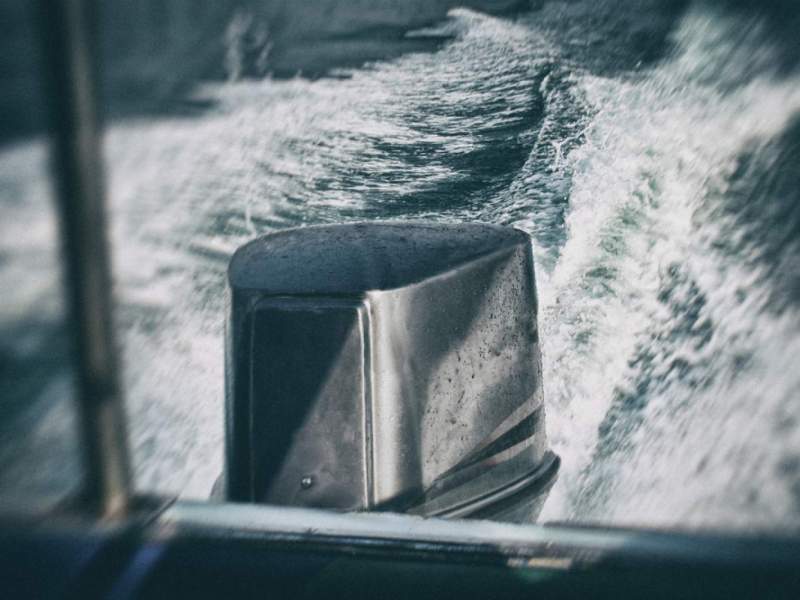
A new outboard is a serious cost, often rivalling the price of the boat it's bolted to. That's why so many boat owners, whether repowering an older hull or replacing a motor that has finally given up, start their search for a used outboard rather than a new one. Done properly, buying second hand can save thousands of dollars for a motor with plenty of working life left. Done carelessly, it can mean paying good money for a problem you inherit the day you take delivery.
Finding a good used outboard online comes down to four things: searching in the right places, matching the motor to your boat and transom correctly, checking the specific things that reveal how a motor has been used and maintained, and being realistic about what a private sale does and does not protect you against. The sections below walk through each of these, along with the questions to ask before you hand over a deposit.
Where To Search For A Used Outboard
Marine classifieds sites that list boat gear specifically, rather than general classifieds sites, tend to have listings from sellers who understand outboards and describe them with the detail a buyer actually needs, such as hours, compression readings, and service records. Filtering by brand, such as Yamaha, Honda, Mercury, Suzuki, or Tohatsu, and by horsepower range narrows the field quickly, and setting up an alert for a specific make and power range means you hear about a good motor the day it's listed rather than a week later.
BoatsOnline generally has the largest number of used outboard listings in Australia at any one time, with Gumtree another popular option.
Dealer trade-ins and dealer-listed used stock are also worth checking alongside private listings. A dealer has usually run basic checks before listing a motor and may offer some form of warranty or return period that a private sale will not.
Matching The Motor To Your Boat
Before searching by brand or price, confirm three things about your own boat: the maximum horsepower rating on the hull identification plate, the transom height (short, long, or extra-long shaft), and whether you need a tiller or remote-steer configuration. A secondhand outboard that is a great price but the wrong shaft length or over your boat's rated horsepower is not a bargain, it is a boat that will handle poorly or breach your insurance terms.
If you're moving from a two-stroke to a four-stroke, or changing horsepower significantly, factor in that the motor's weight will differ, which can affect how the boat sits and performs. This is worth checking against the manufacturer's specifications, not just going on feel.
What To Check Before Buying A Used Outboard
- Hours run, and whether they are confirmed by a service log or just the seller's word
- Full service history, including impeller replacement, gearbox oil changes, and spark plug intervals
- Compression test results across all cylinders, ideally checked in person or by a mechanic before purchase
- Corrosion on the powerhead, lower unit, and mounting bracket, especially for motors used in saltwater
- Whether the motor starts, idles smoothly, and runs cleanly under load, not just at idle in a driveway
- Whether the propeller, cowling, and any electronics or controls are included, and whether they are original to the motor
Where possible, see the motor running on the water or at least under load with a test tank, rather than relying on a video or a seller's description alone. A motor that starts fine sitting on a stand can still have problems that only show up under real load.
New, Used, Or Reconditioned: Weighing Up The Options
A reconditioned outboard sits between new and used on both price and risk. A reputable reconditioner will have stripped, inspected, and replaced wear parts in the motor, and will usually offer a short warranty, which a straight private sale will not. It costs more than buying privately but less than new, and can be a sensible middle ground if you want some assurance without the full new-motor price tag.
A straight private sale is the cheapest option but carries the most risk, since you are relying entirely on your own inspection and the seller's honesty about the motor's history. Buying from a dealer's used stock usually sits in between, often with a shorter but real warranty period.
Red Flags When Buying Privately
Be cautious of listings with vague descriptions such as "runs great" with no hours, no service history, and no close-up photos of the powerhead or serial number plate. A seller who is reluctant to let you inspect the motor in person, or who pushes for a quick decision or a deposit before you have seen it running, is worth walking away from. If the price is well below other listings for the same make, model, and hours, there is usually a reason, and it is on you to find out what it is before you pay.
A used outboard can be one of the best value decisions you make on a boat, provided you undertake all the necessary checks rather than just chasing the best price. Browsing outboard listings filtered by brand and horsepower is the fastest way to see what is actually on the market right now, compare recent asking prices, and find a motor that matches your boat rather than the other way around.
Frequently Asked Questions
How many hours is too many for a used outboard?
There is no fixed cutoff, since it depends heavily on how well the motor has been maintained. As a rough guide, a well-serviced four-stroke outboard can often run well past 1,000 hours, while a neglected motor can develop serious problems much earlier. Service history and a compression test tell you far more than the hours figure alone.
Should I buy a two-stroke or four-stroke used outboard?
Four-stroke outboards are quieter and more fuel efficient, but heavier. Two-stroke motors are typically lighter and cheaper secondhand, and many older two-strokes are reliable if well maintained, but factor in that support and parts availability will only get harder over time. The sale of new two stroke outboards effectively stopped in Australia in 2020 due to emissions requirements.
Do I need a survey or mechanical inspection before buying a used outboard?
For a lower-value motor bought from someone you trust, a careful personal inspection and a test run are often enough. For a higher-value motor, or one you cannot see running under real load, paying a marine mechanic for an independent inspection before you commit is cheap insurance against a costly mistake.
Can I check if a used outboard has money owing on it?
Outboards can be included in a Personal Property Securities Register (PPSR) check in the same way boats and trailers are, either as part of a check on the whole vessel or separately if the motor is being sold on its own. It is worth doing if you are buying a higher value motor privately, since a security interest can mean the seller does not actually have clear title to sell it.
Is it worth buying a used outboard without seeing it run?
It is a real risk. Photos and a seller's description cannot tell you how a motor idles, whether it hesitates under load, or whether there is smoke on startup. If you cannot inspect it in person, at minimum ask for a recent video of it running from cold, and negotiate the price accordingly.