Selling A Boat On The Gold Coast: A Local Guide To Getting The Best Price
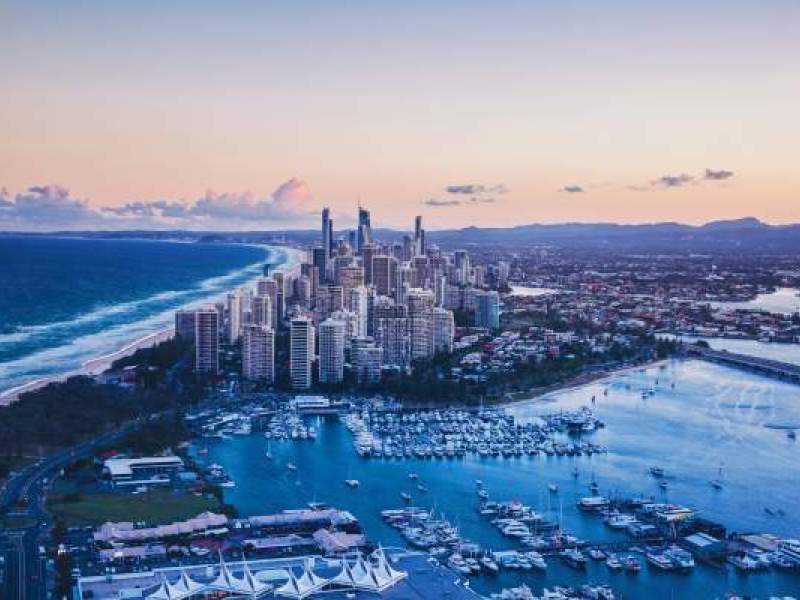
The Gold Coast is the busiest boating market in Queensland. One one hand, that works in yourfavour as a seller; however, with the Broadwater, the canal estates of Sanctuary Cove, Hope Island and Paradise Point, and easy access to the Coral Sea through the Gold Coast Seaway, buyers here are spoiled for choice. Which means competition for attention is high, and getting your price and presentation right matters more than ever.
Whether you are selling a tinny from Coomera, a family cruiser moored at Southport, or a sportfishing boat berthed at Surfers Paradise, this guide walks you through how the local market works, where to list your boat, and how to price it so it sells without leaving money on the table.
What You Need to Know to Sell a Boat on the Gold Coast
Selling a boat on the Gold Coast comes down to three things: knowing what similar boats are actually selling for in your area, presenting the boat well, and listing it in the right places to reach local buyers. The Gold Coast market is shaped by its waterways, with strong demand around Southport, Surfers Paradise, Runaway Bay, Biggera Waters, Coomera and Hope Island, and by its boating culture, which leans heavily towards family cruisers, centre consoles, jet skis and fishing boats suited to the Broadwater and offshore reefs. Pricing accurately from the start, rather than guessing and adjusting later, is the single biggest factor in selling within a reasonable timeframe and at a fair price.
Why the Gold Coast Boat Market Is Different
The Gold Coast has a unique mix of sheltered canal and broadwater access alongside direct ocean access via the Seaway at the Spit. This means boats here often need to suit both calm-water cruising and offshore conditions, which affects what buyers are looking for and what they are willing to pay.
Buyers in canal estate suburbs such as Sanctuary Cove, Hope Island and Paradise Point are often looking for boats that fit existing pontoons and lifestyle cruising on the Broadwater. Buyers around Southport, Main Beach and Surfers Paradise are frequently after boats that can handle a run out through the Seaway for fishing or diving. Understanding which audience your boat suits helps you target the right buyers and justify your asking price.
Tips on How to Get the Right Price for Your Boat
Pricing a boat correctly from day one is the difference between a quick, fair sale and months of price drops. Here is how to approach it properly.
- Research What Similar Boats Are Actually Selling For: Search Boatsonline and other major listing sites for boats of the same make, model, age and length. Use the Advanced Search and enter "Gold Coast" or a specific suburb such as Southport or Runaway Bay in the keyword field to see what is listed locally right now. Pay attention to how long similar boats have been listed. A boat that has sat for four months at a certain price is a signal that the asking price was too high, not a price to match.
- Distinguish Between Asking Price and Sold Price: Listing prices are not the same as sale prices. Where possible, ask local dealers and brokers around Coomera and Southport (the Gold Coast's main marine industry hub) what similar boats have actually sold for recently, not just what they are listed at. Many brokers will share this informally even if you are not using their services, particularly if you mention you may consign or trade in future.
- Get a Professional Appraisal: A written appraisal from a boat dealer or broker gives you a defensible, independent figure to base your price on. Several dealerships are clustered around Coomera and Oxenford, making this easy to arrange without travelling far. An appraisal is particularly useful if your boat has features that are hard to compare online, such as a recent engine rebuild, custom electronics or a tow-behind trailer included in the sale.
- Factor in Engine Hours, Service History and Surveys: Two boats of the same age and model can be worth very different amounts depending on engine hours and maintenance records. Low hours and a complete, documented service history justify a price at the higher end of the comparable range. If your boat has not had a survey in the last two to three years, particularly for vessels over 30 feet or those that spend time offshore from the Seaway, getting one done before listing can prevent buyers using an unexpected survey result to talk the price down later.
- Account for Seasonal Demand: The Gold Coast boating market is seasonal. Demand and achievable prices typically rise from late winter through to the summer holiday period, when buyers are picturing a season of use ahead of them, and soften over autumn. Listing in the lead-up to spring, rather than just after the summer holidays have finished, generally gives you a stronger negotiating position.
- Price for the Right Type of Buyer: Family-friendly bowriders and pontoon boats tend to move quickly around the canal estates of Hope Island and Paradise Point, where lifestyle buyers are common and slightly less price-sensitive. Centre consoles and dedicated fishing boats are often judged more strictly on rigging, electronics and engine condition by buyers around Southport and Biggera Waters, who tend to be more experienced and more likely to negotiate on specifics rather than overall presentation.
- Leave Room to Negotiate, But Not Too Much: Most private boat sales involve some negotiation. Pricing roughly five to eight per cent above your realistic walk-away figure usually gives buyers room to feel they have negotiated well, without making your listing look overpriced compared to genuine market value. Pricing too high to "leave room to move" is one of the most common reasons boats sit unsold for months on the Gold Coast.
- Reassess If You Are Not Getting Enquiries: If your listing has been live for two to three weeks with little or no genuine enquiry, that is market feedback. Rather than waiting it out, revisit your comparable research and consider a price adjustment. A realistic, early correction almost always achieves a better outcome than a string of small drops over several months.
Where to List Your Boat for Sale on the Gold Coast
Online listings remain the most effective way to reach serious buyers, but local visibility still matters on the Gold Coast given how concentrated the marine industry is in certain suburbs.
- Surfers Paradise: high visibility for tourists and lifestyle buyers, useful if your boat is a runabout, jet ski or smaller leisure craft moored centrally.
- Southport: close to the Broadwater and the Seaway, popular with fishing and offshore boat buyers, and home to several marinas and brokers.
- Coomera: the Gold Coast's marine industry hub, with the highest concentration of dealers, brokers and boat-specific buyers in the region.
- Runaway Bay: strong boating community with marina berths, well suited to cruisers and family boats.
- Sanctuary Cove: attracts buyers in the market for larger cruisers and motor yachts, given the area's marina and canal estate profile.
- Hope Island and Paradise Point: canal estate buyers after a boat that suits a private pontoon and Broadwater cruising.
- Biggera Waters: a mix of fishing and family boat buyers, close to the Seaway and Broadwater access points.
When listing, mention the suburb or marina your boat is currently kept in. Buyers searching for a boat to keep at their own Gold Coast property or marina will often filter by location, and a clear local reference point can be the difference between a click and a scroll past.
Preparing Your Boat for Sale
A well-presented boat supports a stronger price and sells faster. Before listing, a thorough wash and detail, including the hull, deck, upholstery and engine bay, makes the single biggest difference to first impressions in photos and inspections. Fix small, inexpensive issues such as worn fenders, faulty navigation lights or a cracked windscreen, since buyers tend to assume that visible small faults point to bigger ones they cannot see. Gather your paperwork, including the registration, service records, survey reports if available, and manuals, as having this ready builds buyer confidence and speeds up the sale once you have an offer.
Legal and Registration Considerations in Queensland
Before selling, make sure your Queensland boat registration is current and that you understand the transfer process through the Department of Transport and Main Roads. Both the seller and buyer typically need to complete a transfer of registration, and any outstanding rego or safety equipment requirements should be sorted before the sale to avoid delays. If your boat requires a marine survey for insurance or finance purposes, as is common for vessels over 30 feet, organising this early can prevent your sale stalling at the last minute.
Ready to List Your Boat?
Selling a boat on the Gold Coast comes down to understanding your local market, from Southport to Surfers Paradise, Coomera to Sanctuary Cove, and pricing it with real local data rather than guesswork. Take the time to research comparable sales, present your boat well, and have your paperwork ready, and you will put yourself in the strongest possible position to find the right buyer at the right price.
When you are ready, list your boat with clear photos, an accurate description of its condition and location, and a price backed by genuine local research.
Frequently Asked Questions
How long does it typically take to sell a boat on the Gold Coast?
Most well-priced, well-presented boats on the Gold Coast sell within four to eight weeks, with faster sales common in spring and early summer when demand peaks. Boats priced significantly above comparable local listings can take several months or longer, and often end up selling closer to true market value anyway after price reductions.
Is it better to sell privately or through a broker on the Gold Coast?
Selling privately, including through online listing sites, generally returns a higher net price since there is no commission, but it requires more of your own time for enquiries, inspections and paperwork. Using a broker, many of which are based around Coomera, costs a commission, typically in the range of five to ten per cent, but can suit sellers who want a faster, more hands-off process or who are selling a larger or higher-value vessel where buyers expect broker involvement.
What documents do I need to sell my boat in Queensland?
You will generally need your current Queensland registration papers, proof of identity, and any service or survey history you want to provide to the buyer. The buyer will need to complete a transfer of registration with the Department of Transport and Main Roads, so having your registration details and any outstanding fees sorted in advance keeps the process moving quickly once you have agreed on a price.
Does where I keep my boat on the Gold Coast affect the price I can get?
Yes, to some extent. Boats kept in canal estate suburbs such as Sanctuary Cove or Hope Island, with easy Broadwater access, often appeal to a slightly different buyer than boats berthed around Southport or near the Seaway, where offshore access is the priority. Mentioning your boat's location and the type of water it is set up for helps attract buyers who already value those features, which can support a stronger price than a generic listing.
Should I get a marine survey before listing my boat?
A pre-sale survey is not compulsory for most private sales, but it is worth considering for larger vessels, boats over ten years old, or anything you suspect a buyer's lender or insurer will want surveyed anyway. Having your own recent survey in hand means you control the narrative around the boat's condition, rather than negotiating from a position of weakness after the buyer's own surveyor raises issues.
Photo by City of Gold Coast on Unsplash