
Which Fishing Boat Is Right For You?
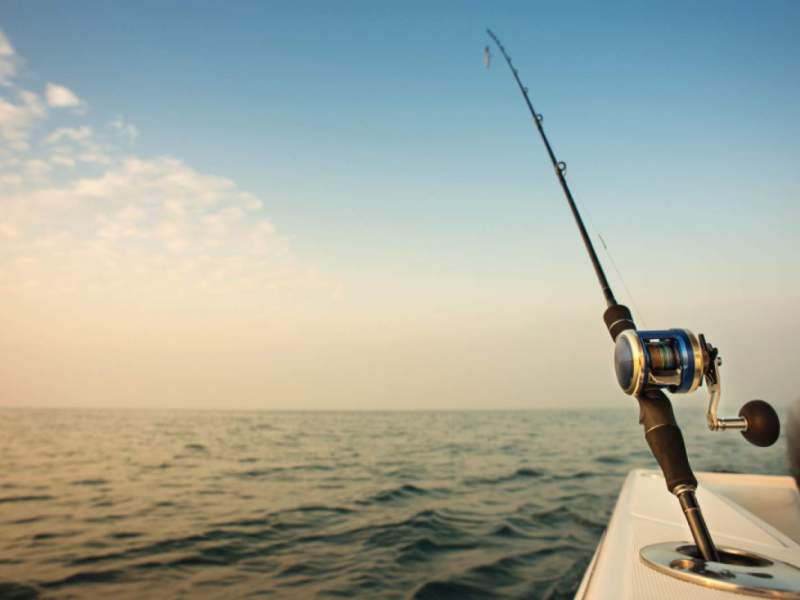
Ask ten anglers what makes the best fishing boat and you will get ten different answers, and all of them will be right for the water they fish. A boat built for chasing marlin off the continental shelf will feel like overkill on a quiet estuary, and a light tinny that is perfect for a river system will leave you feeling very small a few kilometres offshore.
The right fishing boat is less about brand or price and more about matching the hull, size and layout to where you actually intend to fish.
This article walks through the main categories of fishing boats sold in Australia, where each one is best suited, and the features worth prioritising once you have narrowed down the type.
Broadly speaking, there are four categories to consider, based on the type of water you will be spending most of the time fishing in, as well as consideration for the level of versatility required for other activities:
- Estuary and river fishing: aluminium tinnies, punts, small side console boats
- Bay and inshore fishing: centre console and side console boats, 4.5 to 6.5 metres
- Offshore and game fishing: sportsfishing boats, walk-arounds, flybridge cruisers
- Family and multi-purpose use: bowriders and fish-and-ski boats
Estuary and River Fishing
Estuaries, rivers and impoundments are sheltered, which means you do not need a heavy hull or a big fuel budget to fish them well. A 3.5 to 4.5 metre aluminium tinny with a tiller-steer or small console outboard is the standard choice for this kind of fishing across the country, and for good reason. Aluminium tinnies are light enough to launch from a car top or a small trailer, shallow-drafted enough to nose into snag-filled backwaters, and cheap enough to fish hard without worrying about scratches from oyster-covered rocks or submerged timber.
Punts and flat-bottomed dinghies go a step further for very shallow water, such as flats fishing or narrow creek systems, trading a bit of stability at rest for the ability to get into water a deeper-hulled boat simply cannot reach.
Bay and Inshore Fishing
Once you are fishing open bays, harbours or a few kilometres offshore in protected waters, a centre console or side console boat in the 4.5 to 6.5 metre range is the most common and most practical choice. The open deck layout of a centre console gives you 360-degree access for casting and fighting fish, while a side console frees up the bow for anglers without sacrificing much walk-around space.
These boats are usually built in either aluminium or fibreglass. Aluminium hulls are lighter, cheaper to maintain and more forgiving of the odd bump against a jetty. Fibreglass hulls generally ride softer in a chop and hold their resale value well, but come at a higher purchase price and repair cost if damaged.
Offshore and Game Fishing
Serious offshore and game fishing, where you might be running well beyond the horizon chasing marlin, tuna or other pelagic species, calls for a purpose-built sportsfishing boat, walk-around or flybridge cruiser. These boats prioritise fuel range, a deep-vee hull for handling ocean swell, and dedicated features such as bait rigging stations, transom fishing doors, outriggers and insulated fish boxes.
Size matters more here than in any other category. Most experienced offshore anglers consider 6.5 metres a practical minimum for regularly fishing outside the bay, and many serious game boats run from 8 metres up. Twin outboards are common on boats used well offshore, both for the extra range and for the safety margin of a second engine if one fails a long way from the boat ramp.
Family and Multi-Purpose Boats
Not every household wants a boat dedicated purely to fishing. Bowriders and fish-and-ski boats are designed as a compromise, combining a forward seating area for passengers and watersports with enough fishing features, such as rod holders and a livewell or bait station, to keep an angler happy. They will never out-fish a dedicated centre console, but for a family that wants one boat to cover fishing trips, waterskiing and a day out on the water with the kids, they are usually the more sensible purchase.
Key Features Worth Prioritising
Once you have settled on a category, a handful of features make a real difference to how enjoyable and productive your fishing is:
- Deck layout: open, uncluttered decks make casting and landing fish easier and safer
- Livewell or baitwell: essential if you fish with live bait or want to keep your catch fresh
- Rod holders and storage: look for enough holders to cover trolling and rigged spares
- Hull material: aluminium for light, low-maintenance and budget-friendly options, fibreglass for a softer ride and stronger resale
- Freeboard and stability: higher sides and a wider beam matter more the further offshore you plan to fish
The right fishing boat comes down to being honest about where you actually fish, most of the time, rather than the trip you might take once a year. Match the hull and size to your usual water, prioritise the features that matter for your style of fishing, and the rest tends to fall into place. If you are ready to start comparing options, you can browse fishing boats for sale on Boats Online, or get in touch with one of our listed dealers for advice specific to your local waters.
Frequently Asked Questions
What is the best type of boat for estuary and river fishing in Australia?
An aluminium tinny or punt in the 3.5 to 4.5 metre range is the most practical choice for estuary and river fishing. They are light, shallow-drafted and inexpensive to run, which suits the sheltered, often shallow water these systems involve.
Should I choose an aluminium or fibreglass fishing boat?
Aluminium boats are lighter, cheaper to buy and maintain, and more forgiving of minor knocks, making them a strong choice for estuary, river and bay fishing. Fibreglass boats ride softer in rougher water and tend to hold resale value well, which suits anglers who fish further offshore or want a more premium finish.
What size boat do I need for offshore or game fishing?
Most experienced offshore anglers treat 6.5 metres as a practical minimum for regularly fishing beyond the bay, with many dedicated game boats starting from 8 metres. Boat size affects fuel range, sea-keeping in swell and how far offshore you can safely and comfortably fish.
Is a centre console or side console boat better for fishing?
A centre console gives 360-degree deck access, which most anglers prefer for casting and fighting fish from any angle. A side console frees up bow space while still offering good fishability, and can suit boats that are also used for family outings.
Can a bowrider be used as a fishing boat?
A bowrider can handle light, casual fishing, especially if it includes rod holders or a livewell, but it is a compromise design built primarily for passengers and watersports. Anglers who fish regularly and seriously are usually better served by a dedicated centre console or side console boat