Winterising And Off-Season Boat Lay-Up: A Complete Checklist
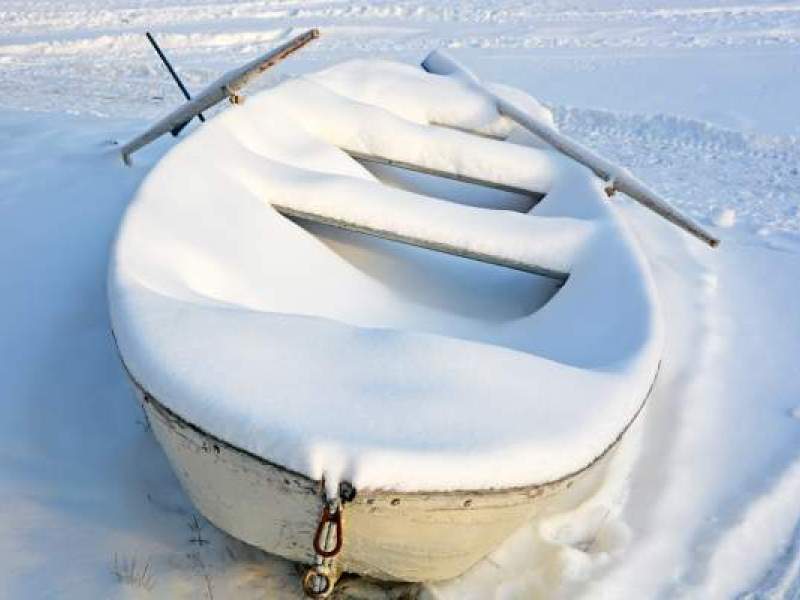
Preparing a boat for an off-season lay-up means stabilising the fuel, changing the oil, flushing the engine and cooling system, draining or protecting the water systems, properly maintaining the battery, and protecting the hull and interior from the weather, so the boat starts reliably and stays in good condition whenever you're ready to use it again.
Most of Australia doesn't face the hard freezing temperatures that make winterising essential in colder climates, but the principle behind an off-season lay-up still applies almost everywhere: an engine and its systems aren't designed to sit idle for weeks or months without some preparation. Untreated fuel degrades, old oil turns acidic, batteries go flat, and a hull left uncleaned and uncovered picks up growth and UV damage. A proper lay-up checklist protects your investment and means a far easier, more reliable start when you're ready to get back on the water, whether that's after a few weeks or several months.
Lay-Up Checklist
Fuel System
- Top up the fuel tank to around 90 to 95% capacity rather than leaving it empty or only partly full, since a near-full tank leaves less room for the condensation that builds up in the empty space above the fuel.
- Add a marine fuel stabiliser at the dose recommended on the product, then run the engine for 10 to 15 minutes so the treated fuel circulates through the entire system, including the carburettor or injectors.
- If your boat has a separate fuel-water separator or fuel filter, consider replacing it before lay-up, so you're not relying on a filter that's already done a season's work.
Engine and Drivetrain
- Change the engine oil and filter while the engine is still warm from a final run, since warm oil drains more completely and carries away more of the acids and contaminants that build up over a season.
- Flush the cooling system with fresh water to clear out salt, silt and general build-up, particularly important if the boat has been used in saltwater.
- For outboards and sterndrives, check and if necessary replace the lower unit or gearbox oil, and look out for a milky appearance, which can indicate water has got into the gear case through a worn seal.
- Inspect hoses, clamps and belts for cracking, softness or glazing, and replace anything that looks marginal now rather than discovering it's failed when you next start the engine.
Battery and Electrics
- Disconnect the battery if the boat will be out of use for an extended period, and store it somewhere dry, ideally on a trickle charger or smart maintainer that keeps it topped up without overcharging.
- Clean the battery terminals and check the electrolyte level if your battery type allows it, since corrosion at the terminals is one of the most common causes of a boat that won't start after a lay-up.
- Check that navigation lights, the VHF radio and other electronics are functioning before lay-up, so any faults are on your list to fix rather than a surprise the next time you head out.
Water Systems
- Drain freshwater tanks, livewells, baitwells and any onboard water systems completely, since stagnant water left sitting for an extended period can develop odour and bacterial growth even without freezing being a concern.
- If you're in an area where temperatures can occasionally drop low enough to be a genuine risk, such as parts of Tasmania, alpine lakes or cold southern mornings, run a non-toxic marine antifreeze through freshwater lines as an extra precaution.
- Pump out and flush holding tanks and head systems at an appropriate facility before lay-up, rather than leaving waste sitting in the system.
Hull, Cover and Interior
- Give the hull a proper clean before lay-up, removing any marine growth, and consider a wax or protective coating on topsides to help guard against UV damage over an extended period out of use.
- Use a quality, well-fitted cover to protect the boat from sun, rain and bird mess, and check that it allows some airflow underneath to reduce the risk of mould and mildew building up inside.
- Remove cushions, life jackets, electronics and anything else that can absorb moisture or be damaged by heat, and store them somewhere dry. Use this time to check your safety gear against our essential safety gear checklist for boaties and replace anything that's expired or worn.
- Open lockers and hatches where practical to encourage airflow and reduce the chance of damp, mould or unpleasant smells building up over the lay-up period.
Storage and Insurance
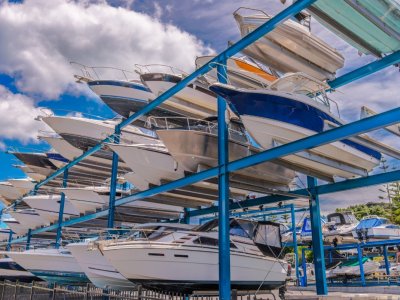
Where you store the boat during lay-up matters too. Our guide to boat storage solutions, covering air docks, boat lifts, pontoons and sea pens, and our broader guide to boat storage and marinas both cover the options available. It's also worth checking your insurance policy, since many boat insurance policies include a lay-up period discount, and our guide on insuring your boat: top tips for boat insurance explains how that works and what else affects your premium.
Getting Back on the Water
When it's time to use the boat again, reverse the process methodically rather than just turning the key and hoping for the best. Reconnect and check the battery, inspect fluid levels, check for leaks before you start the engine, run it briefly while watching for proper cooling water flow, and test navigation lights and safety equipment before you launch. A careful recommissioning process at the start of the season is far better than discovering a problem once you're already out on the water.
Frequently Asked Questions
Do I need to winterise my boat if I live in a warm part of Australia?
You don't need to worry about freezing in most of Australia, but the broader principle of an off-season lay-up still applies. Fuel still degrades, oil still turns acidic, batteries still go flat, and hulls still need protecting from UV and growth even in places that never see frost.
Should I leave my fuel tank full or empty during a long lay-up?
Full, or close to it. Topping up the tank to around 90 to 95% capacity, along with adding a marine fuel stabiliser, reduces the amount of air space available for condensation to build up, which helps prevent water contamination and fuel degradation.
Why does my boat battery go flat during storage even when it's not being used?
Batteries naturally lose charge over time even when disconnected, and onboard systems can draw a small amount of power even when the boat isn't running. Disconnecting the battery and storing it on a trickle charger or smart maintainer helps keep it in good condition through a lay-up period.
What's the most common mistake people make when laying up a boat for the off-season?
Leaving fuel untreated and a tank only partly full is one of the most common mistakes, since it invites both fuel degradation and condensation. Skipping the oil change is another common one, since old oil left sitting for months continues to carry corrosive contaminants.Leaving fuel untreated and a tank only partly full is one of the most common mistakes, since it invites both fuel degradation and condensation. Skipping the oil change is another common one, since old oil left sitting for months continues to carry corrosive contaminants.
Can an off-season lay-up affect my boat insurance?
It can work in your favour. Many boat insurance policies include a lay-up period discount for the time a boat is laid up at agreed premises, so it's worth checking your policy and letting your insurer know if your boat will be out of use for an extended period.