Buying A Boat In Melbourne: Your Detailed Guide To Getting It Right
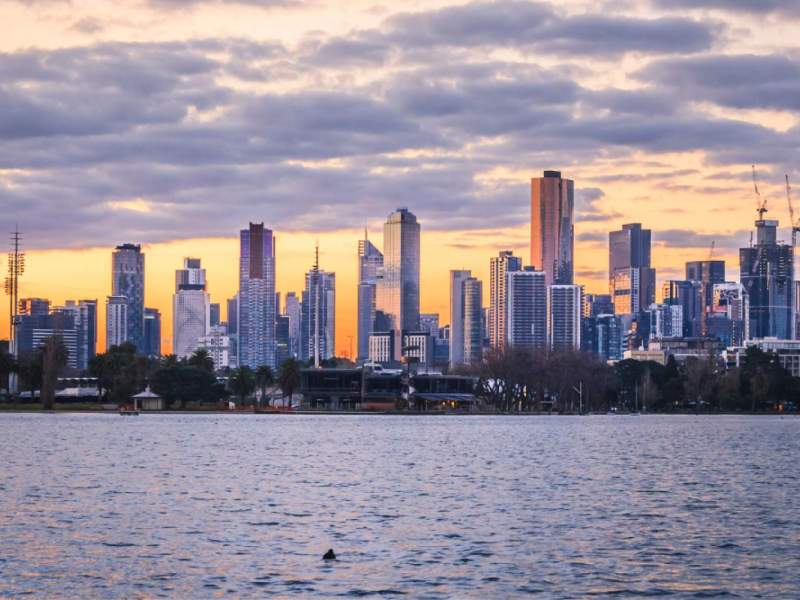
Melbourne is built around two very different bodies of water, and that shapes almost everything about buying a boat here. On one side you have Port Phillip Bay, a huge, mostly sheltered stretch of water that is forgiving for family boating and easy weekend cruising. On the other, Western Port and the notorious Rip at Port Phillip Heads remind you that Bass Strait is never far away, and that Melbourne's boating conditions can turn serious quickly if you head the wrong way at the wrong time.
Whether you are after a runabout to potter around Docklands and Williamstown, a family cruiser based at Sandringham or Mornington, or something capable enough to fish out through the Heads towards Bass Strait, this guide walks you through choosing the right boat, checking it properly before you buy, and getting it registered and licensed the way Victoria requires.
What You Need to Know to Buy a Boat in Melbourne
Buying a boat in Melbourne comes down to three things: matching the boat to the water you will actually use it on, confirming it is legally and mechanically sound before you hand over any money, and understanding Victoria's registration and licensing rules, which differ from other states in one important way. Port Phillip Bay suits a very different boat to Western Port or a run out through the Heads, so knowing which one you will mostly be using narrows your search considerably. A PPSR check and a verified Hull Identification Number protect you legally, an independent marine survey protects you mechanically, and in Victoria you will also need a separate Marine Licence to legally operate the boat once you own it, not just registration.
Melbourne's Boating Conditions
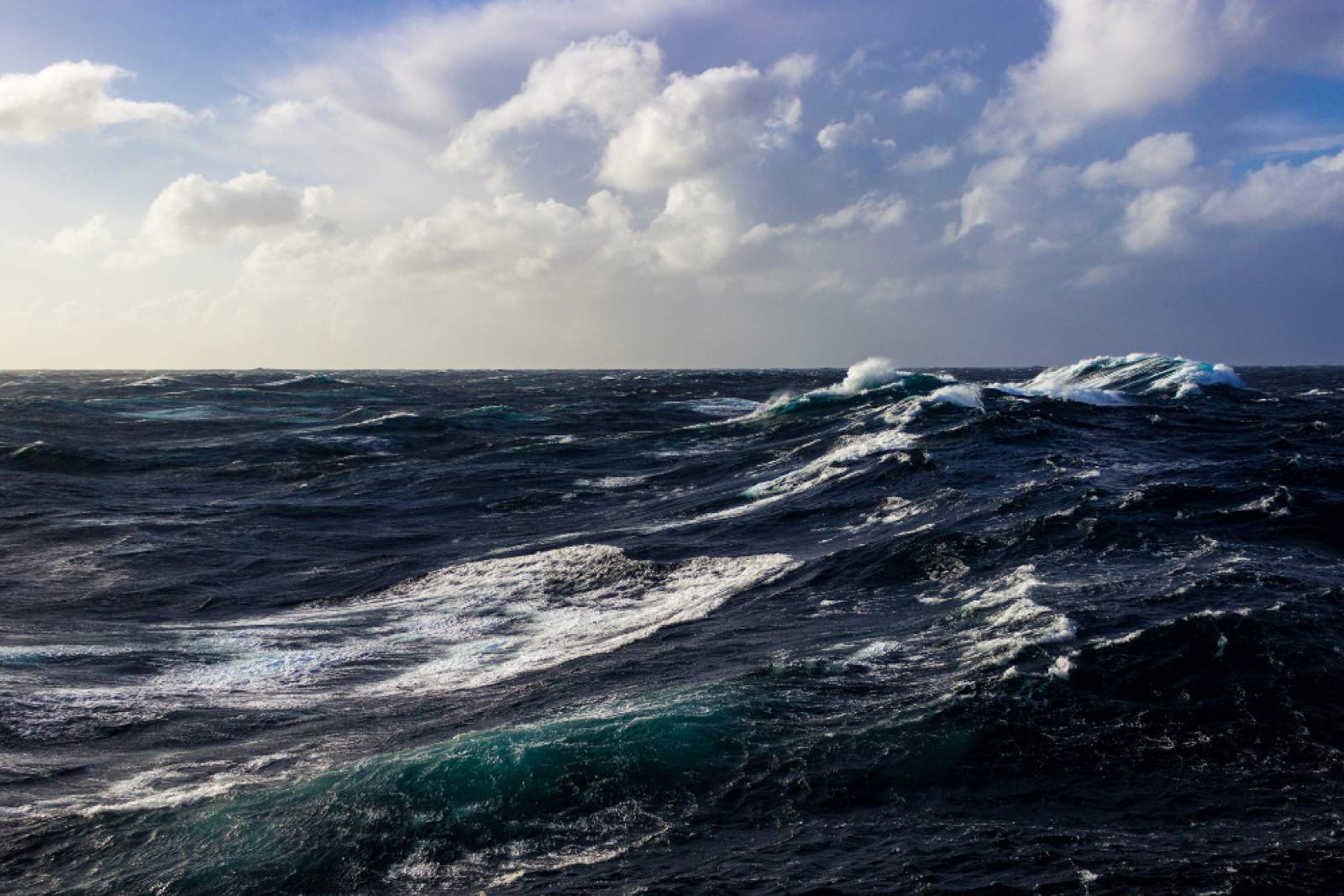
Port Phillip Bay is one of the largest natural harbours in the Southern Hemisphere, and for most of its area it is calm, shallow and well protected, which is why it supports such a large and varied recreational boating fleet. But the bay only connects to Bass Strait through a narrow gap at Port Phillip Heads, known locally as the Rip, one of the most dangerous stretches of water in Australia, where strong tidal currents meeting ocean swell can create dangerous, unpredictable seas outside a narrow slack-tide window.
Western Port, to the east, is a different environment again: shallower, more tidal, with extensive mudflats and a much larger tidal range than Port Phillip Bay, popular with fishers heading toward French Island and Phillip Island but requiring more local knowledge of tides and channels. Then there is the Yarra River through the city itself, sheltered and low-key, well suited to smaller boats based around Docklands. Understanding which of these three environments you will mostly be boating in, calm bay, tidal Western Port, or genuine open water beyond the Heads, is the single biggest factor in choosing the right boat.
How to Choose the Right Boat for Melbourne Conditions
Once you know roughly where you will be spending most of your time on the water, these are the main factors that separate a good purchase from a regretted one.
- Port Phillip Bay Cruising: if the bay is where you will spend most of your time, a runabout, bowrider or family cruiser is usually all you need. The bay is sheltered enough that you do not need to pay for serious offshore capability unless you plan on heading out through the Heads.
- Western Port and the Islands: boats used around French Island, Phillip Island or the channels near Hastings and San Remo need to cope with a large tidal range and shallower water, so a hull that handles well at low tide and reliable navigation gear matter more here than raw offshore capability.
- Crossing the Rip: if you plan to fish or cruise beyond Port Phillip Heads into Bass Strait, you need a genuinely seaworthy boat, a reliable engine and, just as importantly, the experience and local knowledge to time the crossing around slack tide. This is not a stretch of water to underestimate with an underpowered or poorly maintained boat.
- Trailer Boats vs Marina Berths: Melbourne has a good number of marinas around the bay, but berths in the most popular locations can still carry waiting lists. If you are set on a permanent berth rather than trailering, check availability at your preferred marina before you commit to a purchase that needs one.
Checking a Boat Before You Buy
Melbourne's second-hand boat market is large and moves quickly, particularly over spring. These checks protect you before you commit to a price.
- Run a PPSR Check: for around two dollars, a Personal Property Securities Register search tells you whether there is money still owing on the boat through a registered security interest. Buy a boat with an undisclosed debt attached and, in the worst case, it can be legally repossessed from you after the sale.
- Verify the Hull Identification Number: check that the boat's Hull Identification Number and identification marks match its paperwork. Under Victorian rules, registered vessels must display their identification mark clearly on the hull, so a mismatch or missing marking is a clear red flag before you buy.
- Get an Independent Marine Survey: for anything beyond a small tinny, a pre-purchase inspection is money well spent. A survey typically covers the hull for osmosis or structural damage, engine condition and hours, electrical and safety systems, and the trailer.
- Inspect the Trailer Separately: in Victoria, a boat trailer is registered separately from the boat itself, so check that its registration is current and in order on top of inspecting bearings, winch straps, lights and bunks for wear or corrosion.
Where to Buy and Launch in Melbourne
Melbourne's boating hubs each suit a slightly different type of buyer, and it is worth inspecting any boat you are serious about at a ramp or marina similar to where you will actually use it.
- Docklands and Williamstown: sheltered, central options well suited to smaller boats and easy access to the top of Port Phillip Bay.
- St Kilda and Sandringham: popular bayside marinas with good access to open bay cruising and fishing.
- Patterson River and Mordialloc: a busy boating corridor further south along the bay, well set up for trailer boats and family cruisers.
- Mornington and Portsea: on the Mornington Peninsula, closer to the Heads for buyers who want easier access to open water fishing and diving.
- Queenscliff: on the western side of the Heads, popular with buyers based around Geelong or wanting quicker access to Bass Strait.
- Hastings and San Remo: the main hubs for Western Port, suited to buyers planning to fish around French Island and Phillip Island.
Registration and Licensing in Victoria
Any boat with an engine used for propulsion on Victorian waters must be registered, in a seaworthy condition, and renewed every 12 months. Registration is administered by VicRoads on behalf of Safe Transport Victoria, and importantly, the trailer you use to tow the boat needs to be registered separately from the boat itself.
Victoria differs from several other states in one key respect: registering the boat is not enough on its own. Anyone operating a powered recreational vessel, including sailing boats with an engine and electric foils, needs a separate Marine Licence, obtained by passing a knowledge test through VicRoads or an accredited training provider. If you plan to ride a jet ski, you will also need a PWC endorsement on that licence, which involves a separate test. Marine licences can be issued for one or five years, so if you are new to boating in Victoria, budget time to sit the test before you can legally take a newly purchased boat out on your own.
Ready to Start Looking?
Buying a boat in Melbourne comes down to matching it honestly to the water you will actually use, whether that is a quiet corner of Port Phillip Bay, the tidal channels of Western Port, or genuine open water beyond the Heads, and backing your choice with a proper PPSR check, HIN verification and, where appropriate, an independent survey. Sort your Marine Licence early if you do not already hold one, and you will spend a lot more time on the water and a lot less time waiting on paperwork.
When you are ready, you can search current boats for sale across Melbourne and the rest of Victoria any time on BoatsOnline.
Frequently Asked Questions
Do I need a licence to drive a boat in Melbourne, or just registration?
You need both. In Victoria, registering the boat with VicRoads covers the vessel itself, but anyone operating it also needs their own Marine Licence, obtained by passing a knowledge test. This is a separate requirement from registration and applies to the person driving the boat, not just the boat itself.
Is it dangerous to take a boat through Port Phillip Heads?
Port Phillip Heads, known locally as the Rip, is one of the most dangerous stretches of water in Australia when conditions are wrong, due to strong tidal currents meeting ocean swell in a narrow gap. Experienced boaters generally only cross around slack tide and check conditions carefully beforehand, and it is not a passage to attempt in an underpowered boat or without local knowledge.
What is a PPSR check and why does it matter when buying a boat?
A PPSR check searches the Personal Property Securities Register to see whether a vessel has a registered security interest, in other words, whether money is still owed on it by a lender. It costs around two dollars and protects you from unknowingly buying a boat that could later be repossessed because of a debt the previous owner did not disclose.
Do I need to register my boat trailer separately in Victoria?
Yes. Unlike the boat itself, which is registered through VicRoads as a vessel, the trailer used to tow it is registered separately as a trailer. Check that both registrations are current and in the seller's name, or ready to transfer, before you buy.
Should I buy a boat for Port Phillip Bay or Western Port?
It depends on where you will actually spend most of your time. Port Phillip Bay is larger, calmer and better suited to family runabouts and cruisers, while Western Port is shallower and more tidal, and generally favours buyers who fish around French Island and Phillip Island and are comfortable working around a bigger tidal range.