Jet Skis & Personal Watercraft In Australia: The Complete Buyer's Guide
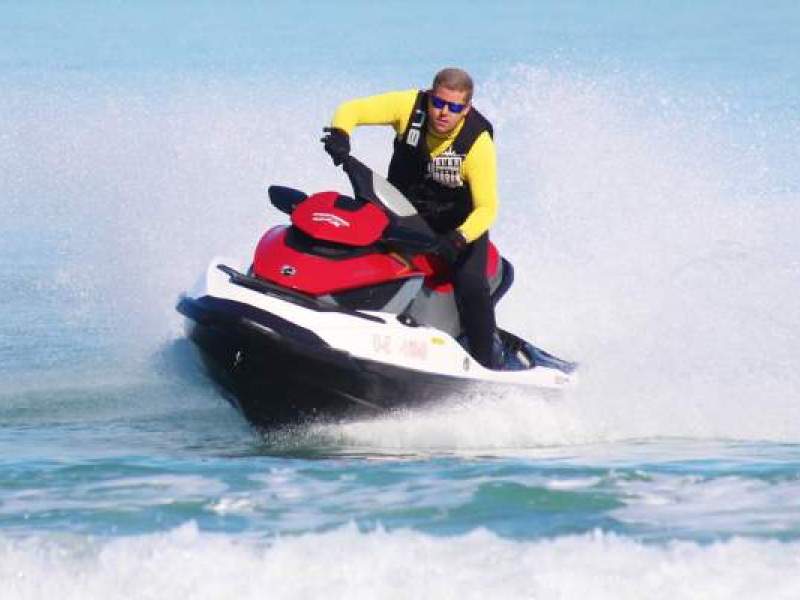
Personal watercraft are the most accessible entry point into recreational boating. This guide covers every major decision a buyer faces: which type of PWC suits your needs, how Sea-Doo, Yamaha WaveRunner, and Kawasaki compare, what a fair price looks like new and used, what to inspect before you buy, and the licensing and registration rules state by state.
What Is a personal watercraft, and why do Australians call everything a jet ski?
The term 'Jet Ski' is technically a registered trademark of Kawasaki, but like Esky or Thongs, it has been absorbed into everyday Australian vocabulary as the generic label for the entire category. Whether someone is talking about a Sea-Doo, a Yamaha WaveRunner, or a Kawasaki, they will almost certainly call it a jet ski.
The correct industry term is personal watercraft or PWC. All PWC operate on the same basic principle: an impeller draws water through an intake grate on the hull bottom and forces it through a directional nozzle at high pressure, creating thrust. There is no external propeller, which makes PWC significantly safer for swimmers than traditional propeller-driven boats, and a big reason why they are popular at family-friendly waterways across Australia.
PWC typically seat between one and four people depending on the model, weigh 200–450 kg, and can reach speeds from a leisurely 50 km/h on entry-level models to well over 100 km/h on top-tier performance craft. They are trailerable, launch easily from standard boat ramps, and require minimal infrastructure compared to larger vessels.
The Four Main Types of PWC
Understanding the category you need is the most important decision before choosing a brand or model.
1. Recreational / Family PWC
The most popular type in Australia. These are sit-down, three-person craft designed for all-round fun on lakes, bays, and sheltered coastal waters. They prioritise comfort, ease of use, and value over outright performance. Typical engine displacement sits between 900cc and 1,500cc, producing 60–130 hp. Examples include the Sea-Doo Spark Trixx, Yamaha EX Deluxe, and Kawasaki STX 160.
Best for: Families, beginners, weekend lake riders, calm-water cruising.
2. Performance PWC
Built for speed and aggressive riding. Performance models use larger, supercharged or turbocharged engines (often 1,500cc–1,800cc producing 150–325 hp) lower-profile hulls optimised for cornering, and minimal storage. The Sea-Doo RXP-X 325, Yamaha FX Cruiser SVHO, and Kawasaki Ultra 310R sit at the top of this segment.
Best for: Experienced riders, racing enthusiasts, those who want the fastest craft available.
3. Touring / Luxury PWC
Touring models bridge the gap between performance and comfort. They offer more storage, higher seats, ergonomic handlebars, and features like GPS, cruise control, and Bluetooth audio. They carry two to three people comfortably over longer distances. The Sea-Doo GTX Limited, Yamaha FX Cruiser HO, and Kawasaki Ultra 310LX are leading examples.
Best for: Long-range riders, couples, those who want creature comforts alongside performance.
4. Stand-Up PWC
The original jet ski format; a single-rider board-style craft ridden standing up. Stand-ups are physically demanding, highly manoeuvrable, and popular in the freestyle and racing communities. Kawasaki's SX-R 160 is the dominant model in this niche.
Best for: Experienced riders, freestyle competitions, those with a surfing or wakeboarding background.
The Three Major Brands: Sea-Doo vs Yamaha WaveRunner vs Kawasaki
Sea-Doo (by BRP)
Sea-Doo is the global market leader and consistently the top-selling PWC brand in Australia. Canadian company BRP (Bombardier Recreational Products) produces a model for virtually every buyer type, from the ultra-affordable Spark to the supercharged RXP-X 325.
Sea-Doo's key advantages:
- Widest model range of any brand
- Innovative features including the LinQ modular accessory system, Intelligent Brake and Reverse (iBR), and Rotax ACE engine technology
- Strong dealer network across major Australian cities and regional centres
- The Spark is the most affordable new three-person PWC on the Australian market
Consider Sea-Doo if: You want the most model choice, value the latest technology, or are shopping at the entry-level price point.
Yamaha WaveRunner
Yamaha has produced WaveRunners since 1986 and has built a reputation in Australia as the reliability benchmark of the category. Their MR-1 Yamaha Marine engine platform is shared with Yamaha's broader marine lineup, giving it one of the most extensive service networks in the country.
Yamaha's key advantages:
- Outstanding long-term reliability record
- NanoXcel2 hull construction, exceptionally light and durable
- Largest dealer and service network in Australia among PWC brands
- Yamaha's RiDE dual-throttle system (intuitive braking and reverse) is one of the best on the market
Consider Yamaha if: Reliability and service access are your priorities, you are buying a first PWC and want peace of mind, or you live in a regional area where dealer coverage matters.
Kawasaki Jet Ski
Kawasaki invented the personal watercraft category in 1972 with the original stand-up Jet Ski, and still produces some of the most powerful PWC available. Their Ultra series is legendary among performance enthusiasts, and the STX 160 range remains a popular family option. Check local dealer availability before purchase as Kawasaki's Australian distribution network has evolved in recent years.
Kawasaki's key advantages:
- Most powerful engines in the class, the Ultra 310 series produces 310 hp
- Stand-up SX-R 160 is the only serious stand-up PWC available new in Australia
- The Ultra LX is one of the most comfortable luxury touring options on the market
Consider Kawasaki if: You are after maximum power, want a stand-up PWC, or already have access to a Kawasaki dealer.
New vs Used: Which Should You Buy?
This is one of the most common questions first-time buyers face, and the right answer depends on your budget, risk tolerance, and intended use.
Buying New
Advantages of buying a new PWC:
- Full manufacturer warranty, typically two to three years
- Zero wear as the hull, engine, impeller, and wear ring are factory-fresh
- Access to the latest safety and convenience features
- Finance options with competitive manufacturer-supported rates
- Peace of mind with no hidden history
Disadvantages:
- Significantly higher purchase price
- Immediate depreciation as PWC typically lose 15–25% of their value in the first year
- Higher insurance costs on new models
New is the right choice if you are a first-time buyer who wants maximum reliability and will use the craft heavily, or if you are choosing a specific new model feature not available in the used market.
Buying Used
The used PWC market in Australia is extensive and well-developed, particularly on platforms like Boats Online where private sellers and dealers list side by side. A well-maintained used PWC in the $7,500–$15,000 range represents outstanding value.
What makes a good used PWC:
- Engine hours: Under 100 hours is low use. 200–300 hours is moderate. Over 400 hours is high and warrants a thorough inspection. Many PWC accumulate just 20–40 hours per season, so a five-year-old craft might have under 100 hours of use.
- Freshwater vs saltwater use: Saltwater accelerates corrosion in the engine bay, exhaust components, and electrical connections. Freshwater-only craft are generally preferable.
- Service history: A complete logbook showing regular servicing — typically every 50 hours or annually, is a strong indicator of a well-maintained craft.
- Hull condition: Inspect for cracks, impact damage, and delamination; especially around the bow, gunwales, and pump area.
- Impeller and wear ring: These are wear items that affect performance. Replacement costs $200–$600 depending on the model.
Used is the right choice if you are on a budget, want to try the lifestyle before committing to a new model's price, or are comfortable with a mechanical inspection.
What to Inspect Before Buying a Used Jet Ski
A methodical pre-purchase inspection will help you avoid expensive surprises.
On Land
Hull exterior: Walk the entire hull and look for cracks, gouges, and repairs. Pay particular attention to the bow and sides as these are common impact zones. Minor gel coat scratches are normal; structural cracks are a red flag.
Engine bay: Open the hull and look for water intrusion, corrosion, oil residue, and chafe marks on wiring. A small amount of water bilge is normal; significant water or oily sludge suggests a seal or gasket problem.
Impeller inspection: Ask to see the impeller and wear ring. Nicks on the impeller blades reduce efficiency; a worn or grooved wear ring lets water bypass and reduces thrust.
Hoses and connections: Check all fuel, cooling, and bilge hoses for cracking, perishing, or loose clamps. These are inexpensive to replace but important to identify.
Service records: A complete service history from the manufacturer's dealer is ideal. At minimum, confirm when the last service was performed and what was done.
On the Water
Always insist on a water test. Start the engine cold if possible, listen for a smooth idle, and assess:
Starting: Should start within one to two attempts. Repeated cranking or rough idle suggests carburetion or fuel system issues.
Acceleration: Should be smooth with no hesitation, surging, or unexpected power loss.
Handling: At speed, the craft should track straight and respond predictably to handlebar input. Pulling to one side can indicate a bent impeller shaft.
Braking and reverse: If equipped, test iBR or RiDE systems. They should engage cleanly without grinding.
Unusual noises: Any knocking, grinding, or cavitation sounds warrant further investigation.
PPSR Check
Before any money changes hands, run a PPSR (Personal Property Securities Register) check at ppsr.gov.au. This confirms whether finance is outstanding on the craft and whether it has been reported stolen. A PPSR search costs around $2 and is non-negotiable for private sales.
PWC Insurance in Australia
PWC insurance is not legally mandatory in most Australian states, but it is strongly recommended. An uninsured incident at speed can result in tens of thousands of dollars in third-party property damage, medical bills, or recovery costs.
Types of cover available:
- Third-party property damage: Covers damage your PWC causes to other vessels, structures, or property. Minimum recommended cover.
- Comprehensive: Covers third-party damage and your own craft for accidental damage, theft, fire, and storm.
- Agreed value vs market value: Agreed value policies pay a pre-agreed sum in total loss; market value policies pay the craft's depreciated value at the time of loss.
Annual premiums for a mid-range PWC typically run $400–$1,200 depending on value, intended use, and rider experience.
Key Rules on the Water: Where Can You Ride in Australia?
PWC are subject to specific navigation rules and area restrictions in most Australian states. Key rules to know:
- Speed limits near shore: Most Australian states enforce a 4-knot speed limit within 30 metres of shore, swimmers, or other vessels. Operating at speed near a beach or boat ramp is a significant fine.
- Exclusion zones: Many protected areas, marine parks, swim zones, and sections of major harbour foreshores prohibit PWC entirely. Check local maritime authority maps before launching in unfamiliar locations.
- Alcohol: Operating a PWC under the influence of alcohol is illegal across Australia and treated the same as drink-driving.
- Towing: Towing a person on a tube, wakeboard, or ski behind a PWC is permitted in most states but requires at minimum two people on the PWC, one to operate, one to observe the person being towed.
- Personal Flotation Devices (PFDs): All persons on a PWC must wear an approved PFD (life jacket) at all times. This is non-negotiable and enforced with on-the-spot fines.
Top Tips for First-Time PWC Buyers in Australia
- Start with the right size and power. A 90–130 hp recreational model is more than adequate for most buyers and is far more forgiving to learn on than a 300+ hp performance craft. You can always upgrade later.
- Buy from a licensed dealer or a reputable private seller. Dealers offer statutory warranty, can arrange finance and registration, and stand behind the products they sell. Private sales can offer better value but require more due diligence — always use a PPSR check and insist on a water test.
- Factor in the trailer. Many private sellers include a trailer in their advertised price; many do not. A decent PWC trailer adds $2,000–$5,000 to your costs if you need to purchase one separately.
- Get your licence before you buy. In most states, completing a PWC licence course is straightforward and takes a single day. Have it in hand before you take delivery so you can ride legally from day one.
- Join a PWC club. State PWC associations run organised riding days, safety courses, and events. They are a great way to get practical tips from experienced riders and learn which waterways are most suitable in your area.
- Budget for consumables. Impellers, wear rings, spark plugs, oil, and anodes are regular maintenance items. Set aside $300–$500 annually for routine consumables on top of annual service costs.
FAQs
How much does a jet ski cost in Australia?
New entry-level jet skis in Australia typically start from around $10,000–$14,000 for a stand-up or basic sit-down model. Mid-range recreational PWC such as the Yamaha EX Series or Sea-Doo Spark range from $9,000–$16,000. Performance and luxury models like the Sea-Doo RXP-X or Yamaha FX Cruiser can exceed $25,000–$30,000. Used jet skis are widely available from $3,500 for older models up to $20,000+ for late-model, low-hour craft.
What is the best jet ski for beginners in Australia?
The best beginner jet skis in Australia include the Sea-Doo Spark (lightweight, affordable, and easy to handle), the Yamaha EX Series (stable three-person seating and smooth power delivery), and the Kawasaki STX 160 (reliable and comfortable). These models offer manageable power, stable hulls, and lower purchase prices, ideal for new riders building confidence on the water.
What is the best jet ski brand in Australia?
The three dominant brands in Australia are Sea-Doo (by BRP), Yamaha WaveRunner, and Kawasaki Jet Ski. Sea-Doo leads the market with the widest range, from the budget-friendly Spark to the powerful RXP-X 325. Yamaha is renowned for reliability and dealer support across Australia. Kawasaki, the original 'Jet Ski' brand, offers the Ultra series known for high performance. The best brand depends on your intended use, budget, and local dealer access.
What should I look for when buying a used jet ski in Australia?
When buying a used jet ski in Australia, check the engine hours (under 100 hours is low use; 200–300 hours is moderate; over 400 hours warrants careful inspection), inspect the hull for cracks or stress fractures, look for corrosion in the engine bay particularly on saltwater-used craft, check service history and when impeller and wear ring were last replaced, verify the PPSR (Personal Property Securities Register) to ensure no money is owing on the craft, and always conduct a water test before purchasing.