Minimising Plastic Waste At Sea
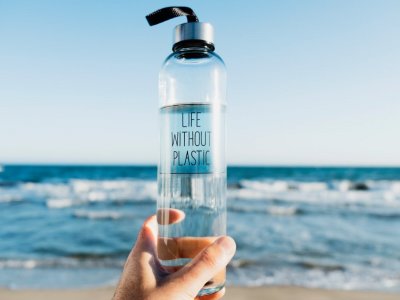
More than 8 million tonnes of plastic enter the world’s waterways every year, and reducing single-use plastics, disposing of waste properly, supporting clean-up initiatives and raising awareness are the most practical ways boaties and coastal communities can help minimise the damage.
Plastic pollution in oceans and rivers is harming marine life through ingestion and entanglement, affecting creatures including sea turtles, seals and dolphins. Reducing reliance on single-use plastics, such as bottles, bags, straws and disposable cutlery, is one of the most effective ways to cut plastic waste at sea, and proper disposal and recycling of any plastic that is used helps keep it out of the ocean.
Supporting ocean clean-up organisations such as Tangaroa Blue and the Australian Marine Debris Initiative makes a direct impact on existing pollution, while education and awareness campaigns help inspire individuals and communities to change behaviour over the long term.
The Scale of the Plastic Pollution Problem
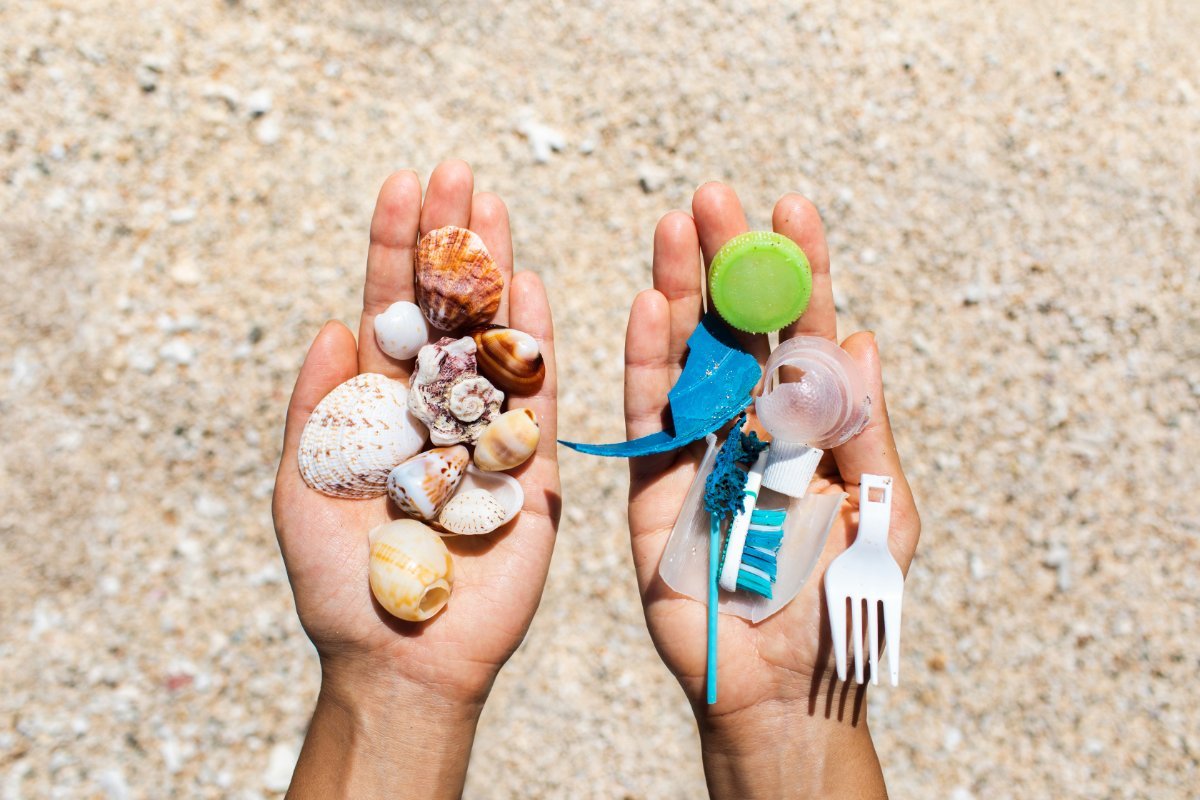
Our planet’s waterways are facing a plastic pollution crisis of colossal proportions. Every year, millions of tonnes of plastic waste find their way into the seas, wreaking havoc on marine ecosystems, endangering wildlife, and posing significant threats to human health. It’s a crisis that demands immediate attention and concerted efforts to mitigate its impact.
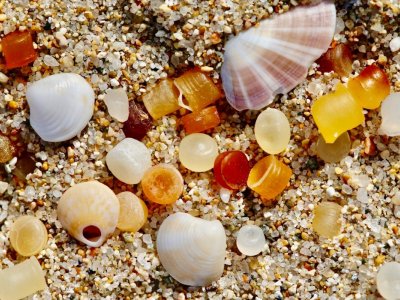
It’s estimated that more than 8 million tonnes of plastic enter the world’s waterways annually, ranging from larger debris down to tiny pre-production plastic pellets known as nurdles. This plastic waste is harmful to marine life in various ways. Creatures often mistake plastic debris for food, leading to ingestion and injury. Additionally, plastic waste can entangle animals like sea turtles, seals, and dolphins, causing injuries and sometimes death.
How to Minimise Plastic Waste at Sea
Reduce Single-Use Plastics: One of the most effective ways to reduce plastic pollution at sea is to reduce our reliance on single-use plastics. This includes items like bottles, plastic bags, straws and disposable cutlery. Instead of buying bags of ice, try making your own in the freezer. This not only saves you money but prevents the plastic packaging from ending up in our waterways. By making simple switches to reusable alternatives, we can significantly decrease the amount of plastic waste that ends up in our oceans.
Promote Recycling and Proper Disposal: If you have to use plastic (and sometimes it is unavoidable), properly disposing of plastic waste is crucial. Encouraging recycling programs and raising awareness about the importance of disposing of plastic waste in designated bins can help keep plastics out of the oceans.
Support Ocean Cleanup Initiatives: Many non-profit organisations and environmental groups are actively engaged in cleaning up beaches and coastal areas. Participating in or supporting these initiatives can make a significant impact on reducing plastic waste at sea. For example, Tangaroa Blue and the Australian Marine Debris Initiative are an Australian charity dedicated to the removal and prevention of marine debris.
Education and Awareness: Raising awareness about the consequences of plastic pollution is essential. Educational programs and campaigns can inspire individuals and communities to take action to reduce plastic waste.
Working Together for Cleaner Oceans
The problem of plastic waste in our oceans is a global crisis that requires immediate action. By adopting eco-friendly practices in our daily lives, supporting clean-up initiatives, and advocating for policies that reduce plastic production and pollution, we can work together to minimise the devastating impact of plastic waste on our oceans and the precious ecosystems they support.
Let’s remember that every small action counts, and together, we can turn the tide against plastic pollution at sea.
Frequently Asked Questions
How much plastic enters the ocean each year?
It is estimated that more than 8 million tonnes of plastic enter the world’s waterways annually, causing significant harm to marine ecosystems and wildlife.
How does plastic waste harm marine animals?
Marine creatures often mistake plastic debris for food, which leads to ingestion and injury. Plastic waste can also entangle animals such as sea turtles, seals and dolphins, causing injuries and sometimes death.
What is the easiest way for boaties to reduce plastic waste at sea?
Reducing reliance on single-use plastics, such as bottles, bags, straws and disposable cutlery, is one of the most effective steps. A simple example is making your own ice in the freezer rather than buying bagged ice in plastic packaging.
Which Australian organisations work on ocean plastic clean-up?
Tangaroa Blue and the Australian Marine Debris Initiative are an Australian charity dedicated to the removal and prevention of marine debris. More information is available at tangaroablue.org.
What should I do with plastic waste I can't avoid using on board?
Dispose of it properly by using designated recycling and waste bins rather than letting it end up in waterways. Supporting recycling programs and raising awareness within your own boating community also helps reduce the amount of plastic that reaches the ocean.
[ollution at sea.
Cleaner Oceans