Houseboat Holidays Vs Houseboat Ownership: Which Is Right For You?
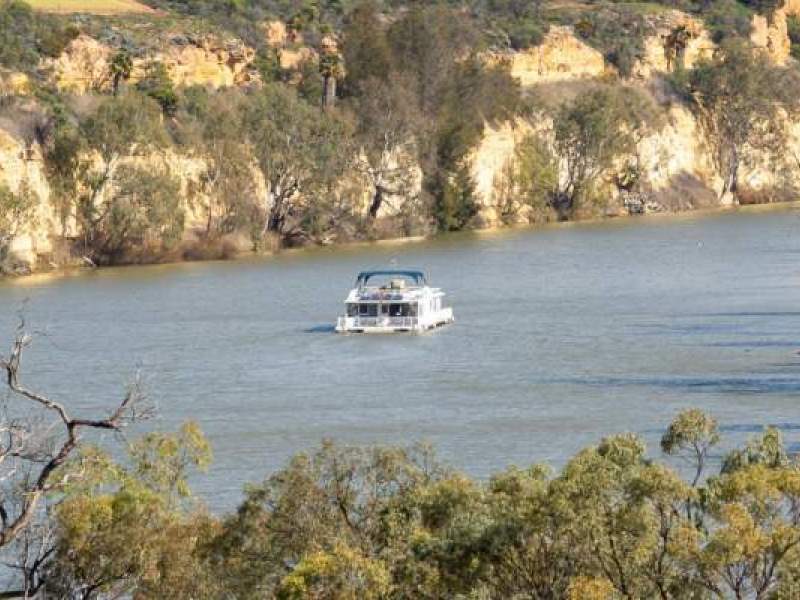
Whether you’re dreaming of a slow week drifting down the Murray or a lifetime on the water, Australia’s houseboat scene offers a path for every type of enthusiast. But knowing whether to hire or buy is a decision that deserves serious thought.
Houseboats occupy a unique corner of Australian culture. From the iconic Murray River to Queensland’s waterways, Gippsland’s lakes, and Western Australia’s tranquil inlets, these floating homes offer something genuinely different: space, solitude, and a connection to the water that a hotel or caravan park simply can’t match.
The appeal is broad enough that “Australian houseboats for sale” and “boat hire and houseboats Australia” consistently rank among the highest-volume search topics in the Australian boating market. That means tens of thousands of Australians are actively exploring the same question you’re asking right now.
The answer, as with most meaningful decisions, depends entirely on your circumstances. This guide breaks down both options honestly so you can make the right call.
What Is a Houseboat Holiday?
A houseboat holiday means hiring a fully-equipped floating vessel for a set period, typically anywhere from two nights to two weeks. Most operators provide everything you need onboard: bedding, kitchen equipment, life jackets, and a full briefing before you depart. No boating licence is required for most houseboat hire vessels in Australia, though this varies by state, so always confirm with the operator.
Popular houseboat hire destinations in Australia include:
- Murray River (SA/NSW/VIC): the spiritual home of Australian houseboat holidays, with dozens of operators along the river corridor
- Gippsland Lakes (VIC): a stunning system of interconnected lakes and waterways
- Hawkesbury River (NSW): accessible from Sydney and ideal for short breaks
- Myall Lakes (NSW): national park surroundings with calm, shallow waterways
- Noosa River (QLD): a warmer-climate option with resort-town amenities nearby
Hire prices vary significantly based on vessel size, season, and operator, but as a general guide expect to pay $400–$900 per night for a boat that comfortably sleeps a group of six to ten.
What Does Houseboat Ownership Actually Involve?
Buying a houseboat is considerably more complex than purchasing a holiday vessel. It sits in a unique space between real estate and marine asset, and that hybrid nature shapes everything from financing to maintenance to where you can legally moor.
There are broadly two types of houseboat owners in Australia:
- Recreational/lifestyle owners: people who use their houseboat seasonally and moor it at a marina or private mooring when not in use. Many in this category live regionally near major waterways.
- Live-aboard owners: people who use a houseboat as their primary or secondary residence. This is more common in states like South Australia and Victoria where the Murray River provides stable, long-term mooring options.
Prices for Australian houseboats vary enormously. A modest older vessel suitable for recreational use might be found for $80,000 to $150,000. A large, modern houseboat with full residential appointments, multiple bedrooms, full kitchen, entertainment deck, can command $400,000 to $800,000 or more.
Beyond the purchase price, ongoing costs include marina or mooring fees, hull and mechanical maintenance, insurance, registration, and periodic out-of-water inspections (slipping or slipway work).
The Case for Houseboat Holidays
- Low financial commitment, high lifestyle return: A houseboat holiday delivers the full experience without the capital outlay. For many families and groups, two or three houseboat holidays a year costs far less than owning and maintaining a vessel year-round. You experience the lifestyle; someone else carries the asset.
- No maintenance headaches: Everything on a hire vessel is the operator’s responsibility. Engine trouble, hull issues, electrical faults, these are someone else’s problems. You show up, you enjoy, you leave. This is a significant advantage for anyone who doesn’t have a marine maintenance background or the appetite for ongoing upkeep.
- Flexibility to explore different waterways: Hiring means you’re not tied to one mooring location. This year the Murray, next year the Hawkesbury. You can try different vessels and different regions without any ongoing obligation.
- No licence required for most hire vessels: In most Australian states, hiring a houseboat doesn’t require a recreational boat licence, provided the vessel meets certain power thresholds. Ownership typically requires at least a basic licence, which varies by state.
- Ideal for occasional use: If you realistically see yourself on the water two to four times a year, hiring almost always makes more financial sense than owning. The break-even point for ownership, where the lifestyle value and any commercial returns justify the costs, generally requires much more intensive use.
The Case for Houseboat Ownership
- It’s your space, exactly the way you want it: A hire vessel reflects an operator’s idea of acceptable. Your own houseboat reflects yours. Owners customise layouts, add equipment, keep specific food and equipment onboard permanently, and build a home-away-from-home that genuinely feels like home. For those who return to the same waterway repeatedly, this personalisation is priceless.
- Weekend spontaneity becomes possible: Owning a houseboat, particularly one moored close to home, means you can leave Friday afternoon and be on the water by evening with no booking, no briefing, no waiting. For regular users who value this kind of spontaneous access, ownership changes the quality of the lifestyle significantly.
- Potential for commercial return: Many houseboat owners in Australia offset their costs by listing their vessel for private hire when they’re not using it. Platforms and brokers exist specifically for this purpose. A well-maintained, attractive houseboat in a popular location can generate meaningful income, though this introduces additional responsibilities around compliance, maintenance scheduling, and operator obligations.
- Asset appreciation in the right market: Unlike most marine vessels, which typically depreciate, quality houseboats in high-demand locations can hold or grow their value, particularly if they are maintained to a high standard and occupy a desirable mooring. This is far from guaranteed, but it does separate houseboats from, say, a ski boat, as an asset class.
- The live-aboard option: For a growing number of Australians, houseboat ownership is an affordable entry into waterfront living. In some Murray River townships, a quality houseboat on a long-term mooring can be significantly cheaper than equivalent land-based housing. This isn’t a path for everyone, but it’s a genuine lifestyle choice that thousands of Australians have made.
Key Factors to Help You Decide
How often would you realistically use it? If the honest answer is fewer than 10–15 nights per year, hiring will almost always be more cost-effective. If you’d use it 30+ nights per year, ownership starts to make strong sense.
Do you have access to a suitable mooring? Ownership without a reliable, affordable mooring is a significant problem. Research availability in your target location before committing to a purchase. Mooring wait lists at popular marinas can be long.
Are you comfortable with marine maintenance or willing to learn? Houseboats require more maintenance than land-based properties. Owners who approach this with enthusiasm tend to love ownership; those who don’t tend to resent it.
What is your budget across five years? Don’t just calculate the purchase price. Model the full five-year cost of ownership including mooring, insurance, maintenance, and any loan repayments. Compare that against five years of hiring at your realistic usage rate.
Does the idea of a specific waterway as “your place” appeal to you? Some people love the idea of a home mooring, a specific marina, a regular community of fellow boaters, a ritual of the same waterway over years. If that sounds appealing, ownership amplifies it. If variety sounds more compelling, hiring suits you better.
Finding Houseboats for Sale in Australia
If you’ve weighed the above and ownership feels right, BoatsOnline is Australia’s leading marketplace for new and used houseboats. You can browse listings by state, price, and vessel size, and connect directly with private sellers and professional dealers across the country.
Key things to look for when inspecting a houseboat for purchase:
- Hull condition: fibreglass, steel, and timber hulls each have different maintenance profiles and lifespans
- Engine hours and service history: low hours and documented servicing are significant positives
- Electrical and plumbing systems: marine electrical systems and plumbing are specialist areas; a marine surveyor can assess both properly
- Mooring arrangements: confirm the mooring is transferable, what the fees are, and the tenure of the arrangement
- Recent slipping records: out-of-water hull inspections should occur regularly; ask to see the records
Always engage a qualified marine surveyor before completing any houseboat purchase. This is a non-negotiable step that can save you from very expensive surprises.
There is no universally right answer between houseboat holidays and houseboat ownership, but there is almost certainly a right answer for you, based on your usage patterns, budget, location, and appetite for the responsibilities of marine ownership.
If you’re new to the houseboat experience, a holiday is the obvious starting point. A week on the Murray will tell you more about whether this lifestyle suits you than any amount of research. Many of Australia’s most committed houseboat owners started exactly this way.
If the bug has already bitten and you’re ready to explore ownership, BoatsOnline’s houseboat listings are the best place to start. Browse current inventory, set up alerts for new listings in your target region, and reach out to our network of experienced marine brokers who can guide you through the purchase process.
The water’s waiting.
Frequently Asked Questions
Do I need a licence to drive a houseboat in Australia?
It depends on the state and the vessel. In South Australia and Victoria, a recreational boat licence is required to operate most powered houseboats. In Queensland and New South Wales, licensing requirements depend on engine power. For hire vessels, operators typically brief and authorise hirers regardless of licence status, but always check with the specific operator and your state’s maritime authority.
What is the average cost of a houseboat holiday in Australia?
Prices range from around $350 per night for a smaller vessel in the off-season to $1,200+ per night for a large premium houseboat during peak periods (Christmas, Easter, school holidays). Most hirers spend $600–$900 per night. Booking well in advance is essential for popular dates.
Can I live permanently on a houseboat in Australia?
Yes, in many locations, though the rules vary significantly by state and council. Along the Murray River in South Australia, permanent live-aboard arrangements are well-established. In other areas, mooring permits may restrict long-term residential use. You’ll need to research the specific regulations in your target location carefully.
What are the ongoing costs of owning a houseboat?
Costs vary by vessel size, condition, and mooring location, but a realistic annual budget for a mid-size houseboat might include: mooring fees ($3,000–$12,000+), insurance ($1,500–$5,000), maintenance and repairs ($2,000–$10,000+), registration, and any loan repayments. Slipway work every few years is an additional cost, often $2,000–$8,000 depending on hull type and size.
Can I make money renting out my houseboat when I’m not using it?
Yes, many owners do this successfully. The income potential depends on your vessel’s size, condition, and location. Popular Murray River houseboats in good condition can earn $20,000–$60,000 per year in hire revenue, though this comes with operator obligations, insurance requirements, and maintenance scheduling complexity. Speak with a marine broker experienced in commercial arrangements before committing to this path.
Where are the best places to buy a houseboat in Australia?
The Murray River corridor (particularly around Renmark, Mildura, and Echuca) offers the greatest concentration of houseboats for sale and the most established mooring infrastructure. Queensland’s waterways, the Hawkesbury River in NSW, and Gippsland in Victoria are also active markets. BoatsOnline lists houseboat inventory from across all states.
Is a houseboat a good investment?
Unlike most boats, quality houseboats in desirable locations can hold value reasonably well, particularly if well-maintained and in an area with limited mooring availability. However, they should not be purchased primarily as financial investments. The best reason to own a houseboat is because the lifestyle it provides is worth the cost and effort of ownership to you.
What is the difference between a houseboat and a pontoon boat in Australia?
A houseboat is a large, purpose-built floating accommodation vessel, typically fully self-contained with sleeping quarters, kitchen, and bathroom. A pontoon boat is a much smaller recreational vessel built on a flat-decked pontoon hull, used for day trips and leisure rather than overnight accommodation. Houseboats are significantly larger and more expensive.