What's Involved In Buying A Sailing Yacht?
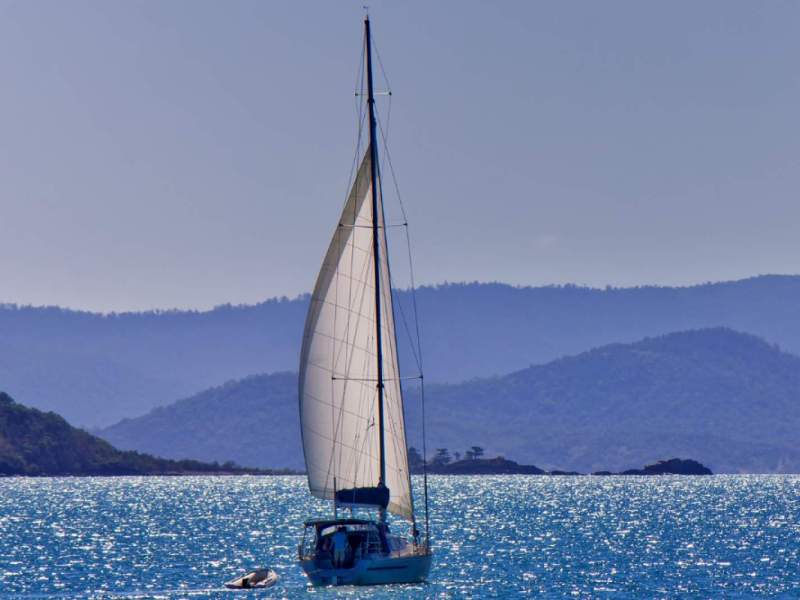
Buying a sailing yacht is a bigger decision than buying most other boats, both in terms of upfront cost and the ongoing commitment of berthing, insurance, crewing and maintenance. If you're weighing up a first yacht purchase, it helps to understand the full picture before you start looking at listings.
The purchase process for buying a yacht typically involves deciding between a monohull and a multihull (catamarans and trimarans), choosing new or used, arranging finance and insurance, securing a marina berth or mooring, and budgeting for ongoing costs that go well beyond the purchase price, including antifouling, rigging inspections, and marina fees. A proper sea trial and survey before purchase, along with an encumbrance check on any used vessel, are essential steps that protect you from expensive surprises. You may also need to consider crew hire, depending on the size of the yacht.
Monohull or catamaran?
Monohulls are generally more affordable to buy and berth and are often considered a more traditional and forgiving option to learn on, while catamarans offer greater stability and living space at a higher purchase and berthing cost. Our guide to 10 things to know before buying a catamaran is worth reading if a multihull is on your shortlist.
New vs used, and what a survey involves
An independent survey is strongly recommended for any used yacht purchase, covering the hull, rigging, engine and safety equipment, alongside a proper on-water test. Our article on what a sea trial involves and why it matters explains what to expect and what to look out for.
Financing and insurance for a yacht
Yacht insurance often involves specific considerations around cruising range, crew requirements and agreed value that don't apply to smaller boats, our guide to insuring your boat covers the general principles. If you're financing the purchase, our tips for getting your boat loan approved are equally relevant to a yacht purchase.
Berthing and ongoing costs
Marina fees, antifouling, rigging inspections and general upkeep add up to a meaningful annual cost well beyond the purchase price, and availability of a suitable berth can be a limiting factor in some ports. Our guide to boat storage and marinas is a useful starting point for understanding what's involved.
Buying through a dealer or broker vs privately
Buying through a dealer or broker generally offers more protection and due diligence support, while a private sale can offer a better price if you're confident doing your own checks. Read how buying through a boat dealer protects you and what to do when a private boat sale goes wrong before deciding which route suits you.
Tax and ownership structures
Some owners use their yacht for charter or business purposes, which can affect how GST and depreciation apply; our overview of claiming a boat as a tax deduction covers the general rules. If full ownership isn't the right fit, boat share arrangements are worth considering as an alternative.
Learning to sail before you buy, or as part of the purchase
If you're new to sailing, you should spend some time on the water before committing to a purchase. Our traveller's guide to sailing interstate yachting in Australia's state capitals is a good introduction to what's on offer around the country.
A yacht purchase rewards patience, a proper survey, and a realistic view of ongoing costs well ahead of settlement day. If you're drawn to the idea of exploring under sail before committing to ownership, our traveller's guide to sailing interstate yachting in Australia's state capitals is worth a read, and if a catamaran is on your shortlist, don't miss our guide to 10 things to know before buying a catamaran.
Frequently Asked Questions
Is a catamaran or a monohull better for a first yacht?
Catamarans generally offer more stability and living space, while monohulls tend to be more affordable to buy and berth and are often considered more forgiving to learn on. Our guide to 10 things to know before buying a catamaran covers the specifics if you're leaning that way.
Do I need a survey before buying a used yacht?
Yes, an independent survey is strongly recommended for any used yacht purchase, alongside a proper sea trial, since rigging, hull and engine issues can be expensive to fix and aren't always obvious on a walkthrough. Our article on what a sea trial involves and why it matters explains what to expect.
What ongoing costs should I budget for after buying a yacht?
Beyond the purchase price, budget for marina or mooring fees, insurance, antifouling and haul-outs, rigging inspections, and general maintenance. Our guide to boat storage and marinas is a useful starting point for understanding berthing costs.
Can I claim a yacht as a tax deduction if I use it for charter or business?
In some circumstances yes, though the rules around GST, depreciation and what the ATO will accept are specific and depend on how the vessel is used. Our article on claiming a boat as a tax deduction covers the general rules.
Should I buy a yacht through a dealer or privately?
Both are common, but buying through a dealer or broker generally offers more protection and due diligence support, while a private sale can offer a better price if you're confident doing your own checks. Our articles on how buying through a boat dealer protects you and what to do when a private boat sale goes wrong cover both sides.