Buying A Boat In Perth: A Local's Guide To Getting It Right
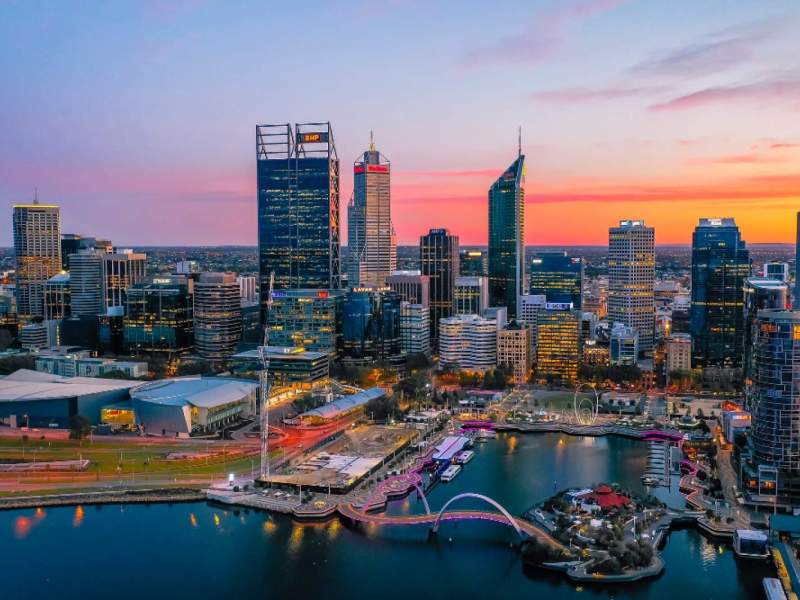
Perth is one of the best cities in Australia to own a boat, but it is also a city where conditions vary enormously depending on where you plan to use it. On one hand, that works in your favour: few Australian capitals offer sheltered river cruising, protected boat harbours and open ocean access to a genuine island escape all within an hour of each other. On the other hand, it means the right boat for a mate in Mandurah might be the wrong boat for you if you are planning weekends on the Swan River, or the Rottnest crossing every summer.
Whether you are after a pontoon boat for lazy afternoons on the river at Bicton, a half cabin based out of Hillarys for fishing wide, or a trailer boat you can launch at Mandurah or Two Rocks depending on the weather, this guide walks you through how to choose the right boat, check it properly before you buy, and get it registered and on the water without any nasty surprises.
What You Need to Know to Buy a Boat in Perth
Buying a boat in Perth comes down to three things: matching the boat to the water you will actually use it on, confirming it is legally and mechanically sound before you hand over any money, and understanding what registration and running costs look like in Western Australia. Perth's boating conditions range from the calm, protected Swan and Canning Rivers through to bar crossings at ocean ramps and the open water run to Rottnest Island, so the boat that suits one buyer can be the wrong choice for another. A PPSR check and a verified Hull Identification Number protect you legally, an independent marine survey protects you mechanically, and knowing your way around DTMI registration and running costs means there are no surprises once the boat is yours.
Why Perth's Boating Conditions Are Different
Perth's boating scene is shaped by having sheltered river water, protected boat harbours and open ocean access all close together, and that mix affects what buyers should be looking for. A boat that is perfect for a Sunday cruise on the Swan River is not necessarily the boat you want for a bar crossing at Mandurah or the 19 kilometre run out to Rottnest, and vice versa.
Buyers planning to stick to the river, around suburbs like Bicton, Claremont and Point Walter, are usually well served by smaller runabouts, pontoon boats and half cabins that do not need to handle any real swell. Buyers heading offshore from ramps at Mandurah, Two Rocks, Ocean Reef or Fremantle need to think about a bar or breakwater crossing that can turn rough with little warning, which generally means a deeper-vee hull and more freeboard than a river boat needs.
Understanding which category you fall into, before you start looking at listings, narrows the search considerably and stops you overpaying for capability you will never use, or underbuying for conditions you will regularly face.
How to Choose the Right Boat for Perth Conditions
Once you know roughly where you will be using the boat, these are the main factors that separate a good purchase from a regretted one.
- Sheltered River Boating: if the Swan or Canning River is where you will spend most of your time, a smaller runabout, pontoon boat or half cabin is usually all you need, and you can generally save money by not paying for offshore capability.
- Bar Crossings at Local Ocean Ramps: ramps at Mandurah, Two Rocks, Ocean Reef and Fremantle all involve a bar or breakwater crossing that can turn rough with little notice, so look for a deeper-vee hull with good freeboard if you plan to fish or dive beyond the reef.
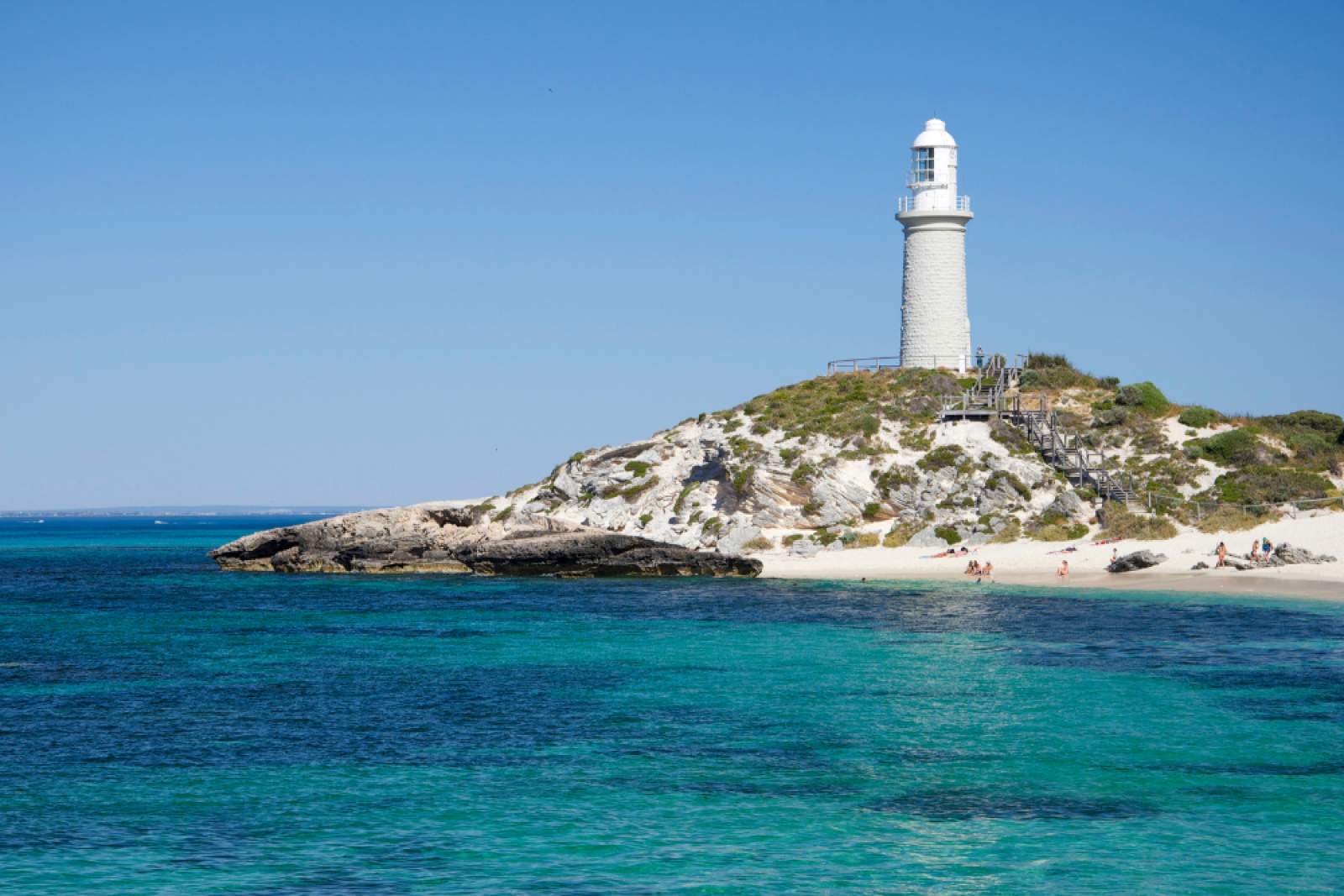
- The Rottnest Run: the crossing to Rottnest Island is one of the most popular trips out of Perth, but at 19 kilometres of open water it deserves a seaworthy boat, a reliable engine and a realistic read of the forecast rather than the smallest, cheapest option on the market.
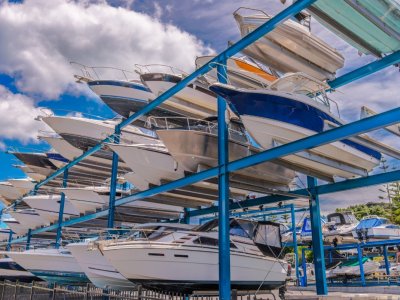
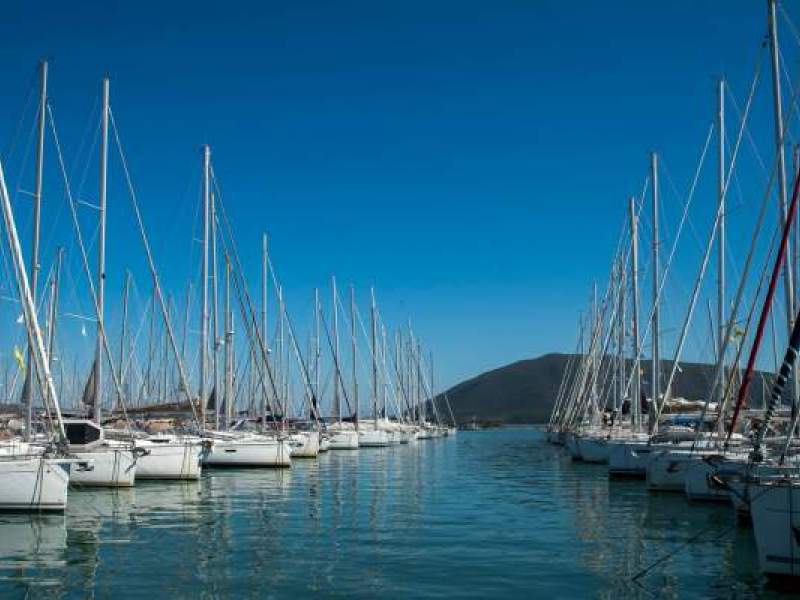
- Trailer Boats vs Marina Berths: berths and marina space in Perth are limited and can carry long waiting lists, which is why trailer boats remain by far the most common choice locally. If you are set on a permanent berth, check pen availability at your preferred marina before you commit to a purchase that needs one.
Checking a Boat Before You Buy
Perth's second-hand boat market moves quickly, and it is easy to get swept up in a good-looking listing. These checks protect you before you commit to a price.
- Run a PPSR Check: for around two dollars, a Personal Property Securities Register search tells you whether there is money still owing on the boat through a registered security interest. Buy a boat with an undisclosed debt attached and, in the worst case, it can be legally repossessed from you after the sale.
- Verify the Hull Identification Number: every vessel registered with DTMI needs a verified HIN plate, sometimes referred to as BoatCode in WA, either supplied by the manufacturer or issued by an approved provider. If a seller cannot produce this, or the number on the hull does not match the paperwork, treat it as a serious red flag.
- Get an Independent Marine Survey: for anything beyond a small tinny, a pre-purchase inspection is money well spent. A survey typically covers the hull for osmosis or structural damage, engine condition and hours, electrical and safety systems, and the trailer.
- Inspect the Trailer Carefully: WA's salt air is hard on trailers, and corrosion on wheel bearings, chassis and brake lines is common even on trailers that look fine at a glance. Check bearings, winch straps, lights and bunks before you tow the boat any distance.
Where to Buy and Launch in Perth
Perth's boating hubs each suit a slightly different type of buyer, and it is worth inspecting any boat you are serious about at a ramp or marina similar to where you will actually use it.
- Hillarys and Fremantle: well set up for larger vessels and offshore access, with established dealers and brokers nearby.
- Mandurah and Rockingham: popular further south, offering calmer estuary and canal cruising as well as ocean access through a bar crossing.
- Swan River Ramps: Point Walter, Bicton and Claremont are among the most used public ramps on the river, and suit smaller runabouts and pontoon boats well.
- Success and Jervoise Bay: based in Cockburn, this area gives southern suburbs buyers a boat harbour closer to home with reasonable offshore access.
- Two Rocks: the option for buyers based further north, with its own bar crossing and access to fishing grounds up the coast.
Registration and Running Costs in WA
All recreational vessels used in Western Australian waters need to be registered with the Department of Transport and Major Infrastructure (DTMI), with registration renewed annually. Once a boat is in your name, you can manage renewals, view registration details and pay fees through a DoTDirect account, which also ties in your existing driver's licence details.
Beyond registration, budget for insurance, fuel, servicing and safety equipment, along with ramp fees or annual boat harbour access where relevant. If you plan to operate anything other than a very small, low-powered vessel, check whether you need a Recreational Skipper's Ticket, since some WA waters and vessel types require one before you can legally take the boat out.
Ready to Start Looking?
Buying a boat in Perth comes down to matching it honestly to the water you will actually use, whether that is a quiet stretch of the Swan River, a bar crossing at Mandurah, or the run out to Rottnest, and backing your choice with a proper PPSR check, HIN verification and, where appropriate, an independent survey. Take the time to get these basics right and you will spend a lot more time on the water and a lot less time worrying about what you bought.
When you are ready, you can search current boats for sale across Perth and the rest of Western Australia any time on BoatsOnline.
Frequently Asked Questions
How much does it cost to register a boat in Western Australia?
Registration fees in WA are set annually by DTMI and vary by vessel length, so the exact amount depends on the size of the boat you buy. Registration must be renewed every year, and fees can be paid online, by phone or in person through a DoTDirect account once the boat is registered in your name.
Do I need a boat licence to drive a boat in Perth?
In most cases, yes. Anyone operating a recreational powerboat above a certain size or power output in WA waters needs a Recreational Skipper's Ticket. Requirements can vary depending on the vessel and the waters you plan to use, so it is worth confirming your specific situation with DTMI before you buy.
Is it safe to take a small boat across to Rottnest Island?
Plenty of Perth boat owners make the crossing to Rottnest each summer, but it should not be taken lightly. The 19 kilometre run is open water and can turn choppy with little notice, so it deserves a seaworthy boat, a reliable engine, a good look at the forecast and safety gear on board that matches the offshore nature of the trip.
What is a PPSR check and why does it matter when buying a boat?
A PPSR check searches the Personal Property Securities Register to see whether a vessel has a registered security interest, in other words, whether money is still owed on it by a lender. It costs around two dollars and protects you from unknowingly buying a boat that could later be repossessed because of a debt the previous owner did not disclose.
Should I buy a boat that comes with a trailer already registered?
A registered, well-maintained trailer can save you time and money, but do not assume it is in good condition just because the registration is current. Check wheel bearings, winch straps, lights, bunks and the chassis for corrosion, since WA's salt air conditions are tough on trailers regardless of paperwork.